The Sweet Alchemy: Unlocking the Ancient Healing Power of Honey
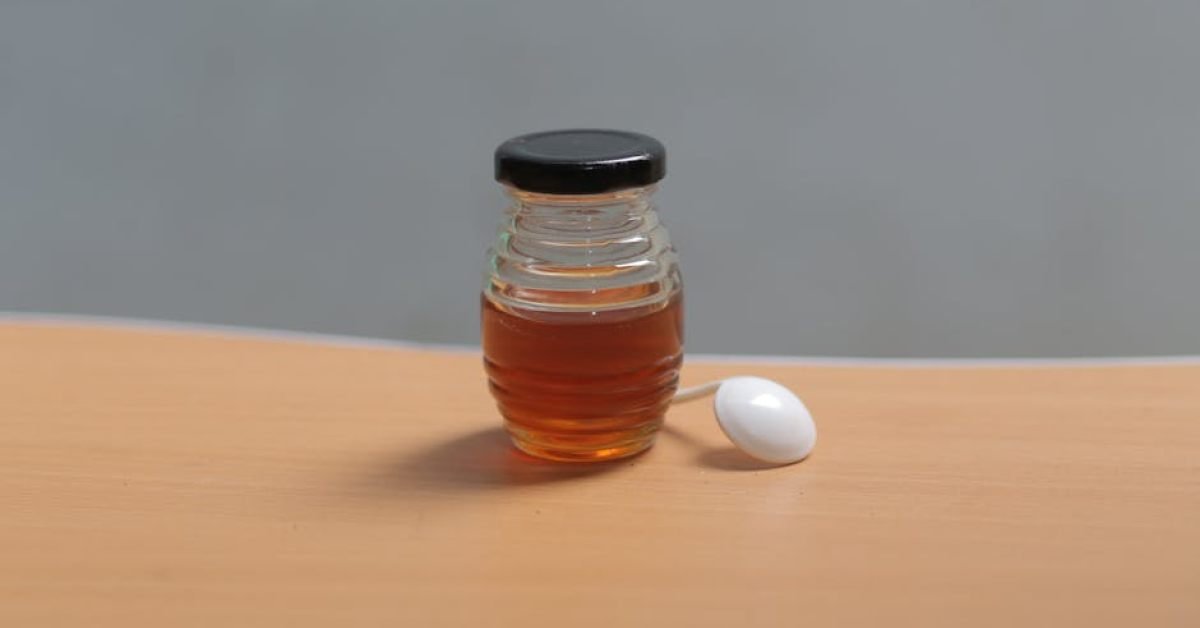
Tucked away in the back of your pantry or resting on a sunny kitchen windowsill, that golden jar of honey is more than just a sweet treat. It’s a little miracle from nature, one that’s been quietly practicing its healing magic long before refrigerators or artificial sweeteners entered the scene. You’ve probably reached for it when your throat felt scratchy or to soothe a stubborn cut, but honey’s story goes way deeper than that. Imagine a food so enduring that jars buried in Egyptian tombs over 3,000 years ago were still fresh and edible. Crazy, right? This isn’t just about sweetness—it’s about a raw, powerful elixir that science is starting to catch up with. With the rise of antibiotic resistance and the endless parade of processed sugars, honey offers a sweet, natural way back to wellness. Let’s uncover what makes honey much more than your average condiment.
Honey’s Ancient Secret: Why It Lasts Forever
Honey’s endurance is nothing short of phenomenal. Archaeologists have dug up pots of honey in King Tut’s tomb that still look—and taste—pristine thousands of years later. Meanwhile, your milk goes bad in days. What gives? The magic happens during the nectar-to-honey transformation inside the hive. Bees work some real biochemical wizardry, removing most of the water from the nectar and dumping in enzymes that break down sugars into simpler compounds. This produces a super-concentrated, low-moisture syrup that actively sucks water out of any mold or bacteria trying to crash the party. It’s basically a natural preservative that freezes time, making honey one of nature’s longest-lasting foods.
But here’s a kicker: not all honey is created equal. The grocery store shelves are packed with “honey” that’s little more than syrup disguised in a jar. Heat-treated or ultra-processed routines zap away the good stuff—the enzymes, antioxidants, and complex flavors—leaving you with empty sweetness. So when you’re grabbing honey, look for the real deal: raw, unfiltered, and unpasteurized. That’s where the healing powers hide, carrying everything the bees and flowers worked so hard to pack inside. This is no marketing fluff; real honey is the original superfood.
What Makes Honey So Magical?
Let’s get under the hood: honey’s healing mojo comes from its unique chemical cocktail. First up is hydrogen peroxide, made by an enzyme bees add called glucose oxidase. This acts like a gentle antiseptic—it can kill bacteria without turning your skin into a chemical battlefield. Then come the antioxidants: flavonoids and phenolic acids that fight wear and tear from pesky free radicals and pollution. Together, these forces help your cells repair and protect themselves.
But wait—there’s more. Pollen and propolis, two other bee gifts, add another layer of immune support. Pollen brings a smorgasbord of vitamins and minerals, like nature’s tiny multivitamins caught in the honey. Propolis, that sticky resin bees are famous for, packs even more antibacterial punch with its flavonoids. Combined, they create a natural defense squad that's tough to mimic in a lab.
Where your honey came from—its floral source—matters, too. Manuka honey, for example, is basically the rockstar of honeys thanks to a compound called methylglyoxal, famous for powerful antibacterial effects. If you want a broader spectrum of antioxidants, multifloral honeys (made from many flowers) provide a richer mix of benefits. Knowing this helps you pick just the right honey for your personal health goals: whether that’s zapping germs or just keeping your immune system happy.
Nature’s Antibiotic: Honey Against Bacteria
Honey’s reputation as a natural antibiotic is anything but old wives’ tales. It creates an unforgiving environment for bacteria to survive. Thanks to its high sugar content—drawing water out of bacterial cells—and acidity, harmful microbes simply can’t thrive. On top of that, the hydrogen peroxide production keeps a slow but steady antimicrobial buzz going as soon as honey touches moisture.
What’s really exciting is that modern medicine backs this up. Hospitals now use honey dressings to treat stubborn, sometimes antibiotic-resistant wounds. Cases where nothing else works, honey promotes new tissue growth and speeds up healing. MRSA? Honey doesn’t just throw hands—it wins.
Picking the right honey makes a difference, too. Manuka is a favorite for tough infections, while thyme honey offers a broad spectrum defense against bacteria and fungi alike. Even rich, antioxidant-heavy buckwheat honey doubles as a soothing powerhouse. So next time you reach for honey, think like a doctor—and pick your prescription accordingly.
Honey to the Rescue: Calming Coughs and Cold Symptoms
When your throat feels like sandpaper and the tickle won’t quit, honey might just become your new BFF. Studies confirm it rivals, if not beats, over-the-counter cough syrups without the weird ingredients or side effects. Its thick, syrupy texture coats the throat, calming irritation and dialing down the urge to cough. Who knew?
Mix it with lemon, and you’re basically wielding a time-tested weapon. Lemon adds vitamin C and helps break up mucus, making it easier to breathe. Add warm water, and voilà: a soothing elixir that hydrates, calms, and helps you catch some much-needed zzz’s.
Heads up, though—don’t go boiling your honey. High heat kills the delicate enzymes and antioxidants that make it effective. Keep it warm, not scalding hot, for the best results. Your throat will thank you.
Sweet Skin Savior: Honey for Wounds and Skincare
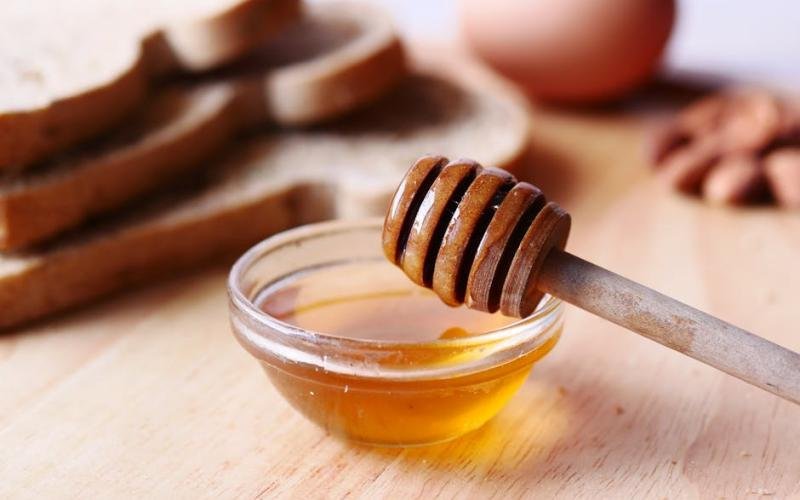
Honey isn’t just for your insides—it’s fantastic on the outside, too. From ancient times to today’s clinics, honey dressings are used to heal wounds, burns, and even stubborn ulcers. Unlike scab-forming treatments, honey creates a moist healing zone that helps new skin cells grow while stopping bacteria in their tracks.
Battling acne or sunburn? Raw honey’s your gentle, natural helper. It calms inflammation, kills acne-causing microbes, and soothes red, irritated skin. Applying a thin layer on a clean area is all it takes. Just steer clear of dyed or heavily processed honeys that might irritate sensitive skin.
Wound care is simple: clean, coat with honey, cover up, and change daily. It’s a practice that’s stood the test of thousands of years and modern research alike—no wonder honey is a staple in first-aid kits worldwide.
Gut Feeling Good: Honey and Digestive Health
Honey isn’t just sweet—it's gut-friendly, too. It works as a prebiotic, feeding the good bacteria in your digestive tract while keeping the bad guys like E. coli in check. Unlike processed sugar, which can throw your microbiome out of whack, honey helps maintain balance. And since gut health is linked to everything from immune function to mood, that’s a big deal.
Got an upset stomach or acid reflux? Honey’s viscous coating offers a silky shield over your stomach lining, helping to reduce irritation. It’s been known to soothe gastritis and even help folks dealing with IBS symptoms. Start your day with a warm tea and a teaspoon of raw honey—your gut (and taste buds) will cheer you on.
Of course, if you’re new to honey, ease into it and watch your body’s response. That gut flora dance is delicate, and good things come with patience.
A Sweet Heart: Honey and Cardiovascular Health
Honey is catching attention beyond soothing throats and wounds—it might have a place in heart health, too. Some honeys, like Manuka and Acacia, appear to boost insulin sensitivity and lower blood pressure, thanks in part to their antioxidant superheroes. These antioxidants help keep inflammation and oxidative stress (two sneaky culprits behind heart disease) in check.
But don’t get carried away—honey’s still sugar, albeit a naturally complex one. Overdo it, and you’ll spike your blood sugar or calories just like with table sugar. The trick is moderation and choosing honey over white sugar because it brings extra benefits, not just empty sweetness.
Swapping in honey for sugar in recipes is easier than you think. A little drizzle in dressings, marinades, or baked goods adds depth and honesty to flavors—no artificial nastiness here.
How to Pick and Store Your Healing Honey
Picking good honey can feel like navigating a maze. Look for raw, unpasteurized, and unfiltered on the label. These words mean it still has the enzymes, pollen, and antioxidants that pack the punch. Skip the stuff that’s been filtered, heated, or suspiciously cheap—it’s probably lost most of its health perks.
If your honey starts to crystalize (getting grainy or solid), don’t panic. It doesn’t mean it’s ruined—it’s just sugar doing its thing. Warm it gently in a water bath to get that liquid flow back. Just be sure it smells fresh and looks clean—if not, toss it.
Storage matters too. Keep honey in a cool, dark cupboard in a tightly sealed glass jar. Avoid plastic containers—they can leach flavors or chemicals over time. With proper care, your honey will keep working its magic for years.

Cooking with Honey: More Than Just a Spoonful in Tea
Honey isn’t just for sweetness; it’s a superstar flavor booster in savory dishes, too. It pairs beautifully with garlic, ginger, and herbs, balancing out spicy or acidic bites with mellow sweetness. Try a honey glaze on roasted veggies or grilled meats for that perfect caramelized kiss.
Feeling fancy? Whip up a “Healing Honey Smoothie” using raw honey, ginger, turmeric, and berries for an antioxidant-packed punch that tastes way better than it sounds. Think of it as your morning health boost or post-exercise reset—your immune system will salute you.
Match different honeys to different foods, like Acacia with mild cheeses and fruits or Buckwheat with bold vegetables and meats, to highlight their flavors and health benefits. The kitchen is your lab—have fun experimenting!
When to Skip the Honey: Safety First
Honey is amazing but not for everyone. Babies under one year should never have honey because it can contain spores of Clostridium botulinum, which their immature systems can’t handle, potentially causing severe illness. This rule is non-negotiable.
If you’re on blood sugar medications or insulin, check in with your doctor since honey can raise blood glucose levels. It also has mild blood-thinning effects, so if you’re on anticoagulants, talk to your healthcare provider before consuming large amounts.
And watch out for allergies. Some folks react to pollen or other bee products in honey. If you have known allergies or experience itching, swelling, or worse symptoms after eating honey, it’s best to steer clear and get checked out by a pro.
The Buzz About the Future: Sustainability and New Discoveries
Bee populations face tremendous challenges—from climate change to habitat loss—and bees need all the help they can get. Responsible beekeepers are planting diverse flowers, creating bee-friendly environments, and using sustainable practices to keep colonies strong and honey potent. Your choice to buy local, ethically sourced honey supports these efforts and helps protect the planet’s tiniest, hardest-working pollinators.
On the research front, honey is showing even more promise, with emerging studies exploring brain-boosting effects and potential anti-cancer compounds. Who would’ve thought that this ancient golden goodness might help fight modern diseases?
The Simple Sweetness Waiting at Home
Honey isn’t just a condiment—it’s a timeless piece of nature’s pharmacy, ready to soothe, heal, and nourish. From ancient tombs to cutting-edge labs, honey keeps proving its worth as a natural ally in health. Whether you want to calm your throat, heal skin, support digestion, or just enjoy a richer, more thoughtful sweetness, honey has your back.
So why not swap out your processed sugars and syrups for raw, local honey? You’ll not only treat yourself but also support your local beekeepers and the buzzing ecosystems they protect. That jar of golden goodness in your kitchen isn’t just sweet—it’s history, science, and kindness all stirred into one sticky, delicious promise.
Here’s to the power of honey—nature’s sweetest healer.