Honey & Ginger: Natural Immunity & Digestion Boost - Crooked Creek Honey Farm
The Golden Warrior: Why Ancient Honey and Ginger Synergy Beats Modern Medicine
Long before the buzz of modern pharmaceuticals, people found medicine right in their kitchens. Honey and ginger—two staples you probably already have—have been working together for thousands of years with a power that science is only now beginning to fully appreciate. This duo isn’t just a comforting warm drink for a sore throat; it’s a natural powerhouse with a range of healing effects that rival many lab-made remedies. When you combine the thick, enzyme-packed sweetness of honey with the fiery warmth of ginger, magic happens. Let’s dig into why this ancient combo continues to outshine many modern treatments, how they work hand-in-hand, and how you can put this golden remedy to work for your health.
The Synergistic Science: Why This Pairing Works Better Together
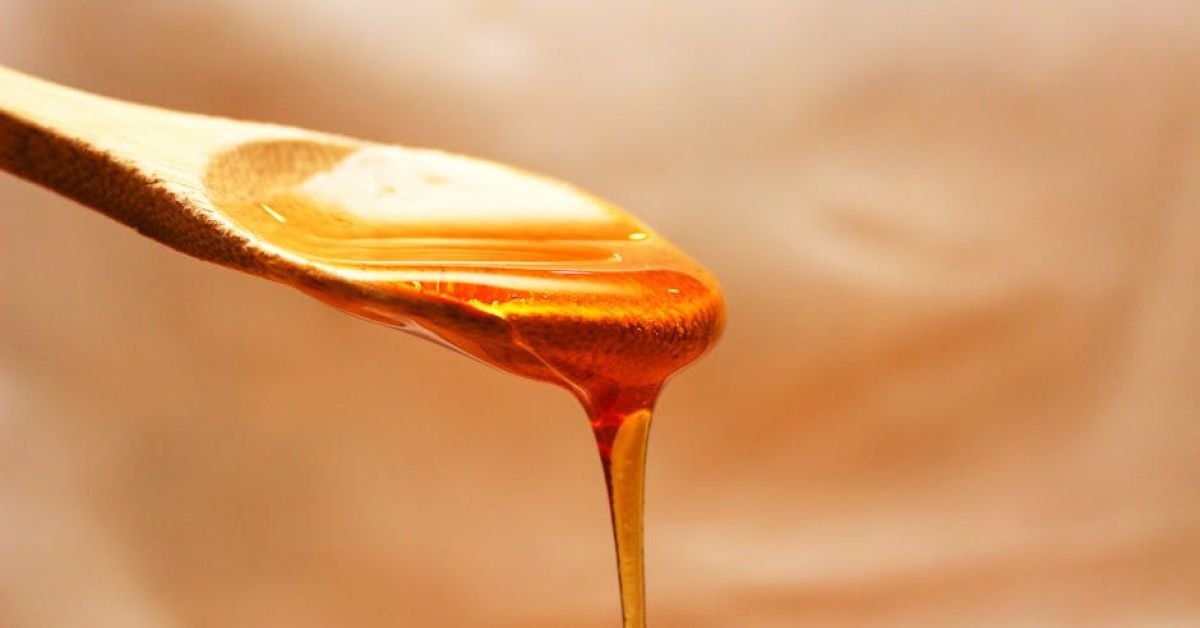
Honey is often mistaken as just a natural sweetener, but it’s so much more. Packed with flavonoids and phenolic acids, honey acts as a robust antioxidant, fighting off harmful molecules that can damage your cells. Plus, its acidic nature and natural hydrogen peroxide content create a hostile environment for bacteria—no synthetic antibiotics needed.
Ginger, on the other hand, packs a punch with gingerol, the spicy compound behind its heat and major anti-inflammatory muscle. When mixed, the interaction isn’t just additive—it's synergistic. Ginger’s heat helps release the beneficial compounds in honey, while honey’s thick texture traps fragrant ginger oils to keep them working longer inside your body.
"Ginger releases, honey retains"—this simple chemistry is what makes their combination so potent.
People in ancient times were on to this long before science had a name for it. Ancient Egyptians, Chinese emperors, and even Hippocrates all valued this combo to support digestion, soothe respiratory issues, and boost overall wellness. They understood the power came from working together, not apart—something we still lean on today.
The Warrior and the Shield: How They Complement Each Other
Think of ginger as the warrior—hot, aggressive, and quick to tackle inflammation and infections. It rushes through your system, clearing out the bad guys with its fiery energy.
Honey plays the shield: soothing, protective, and calming. It coats your throat, stomach, and intestines, ensuring ginger’s heat doesn’t cause irritation but instead delivers its healing power safely. Neither ingredient works as well alone—ginger’s oils can dissipate too fast without honey’s grip, and honey lacks the active assault on inflammation that ginger provides.
Traditional Chinese medicine sums it up nicely: ginger is warming energy that expels cold and stagnation, while honey nourishes and restores. Together, they balance offense and defense in your body’s fight for health—something modern drugs often try to copy and rarely master in a single formula.
Digestive Health: Lighting the Fire and Cooling the Flames
If your digestion needs a jumpstart, this combo has you covered. Ginger revs up your digestive fire—stimulating saliva and gastric juices to help food break down smoothly and increase nutrient absorption.
But firing up too much can backfire, causing discomfort or irritation. Honey steps in here as the gentle soother, reducing bloat and calming your stomach lining. It provides sustained energy without the sugar crash, making you feel nourished instead of jittery.
Together, they create a perfect balance: ginger boosts digestion, while honey eases any rough edges. This explains why ginger alone can sometimes cause heartburn, but mixed with honey, it soothes and supports your gut.
Respiratory Relief: Calming Coughs and Clearing Airways
When your lungs are under siege, honey’s antioxidants come to the rescue, neutralizing damaging free radicals that sap your immune defenses. Ginger joins the fight with antiviral properties that reduce the intensity of infections even before they fully take hold.
By coating your throat, honey mechanically suppresses the cough reflex, while ginger reduces inflammation in the airways. The result? A quieter cough and clearer breathing without slippery drugs that just mask symptoms.
"A quiet cough means your immune system is winning the battle," not just that you’re treating symptoms.
This classic tonic has helped households around the world for centuries—not bad for a simple mix you can whip up anytime.
Selecting the Best Ingredients for Maximum Potency
If you want to experience the real deal, ingredient quality matters. Avoid pasteurized, processed honey—it loses enzymes, antioxidants, and pollen crucial for its benefits. Go for raw, unfiltered honey that’s fresh and minimally handled.
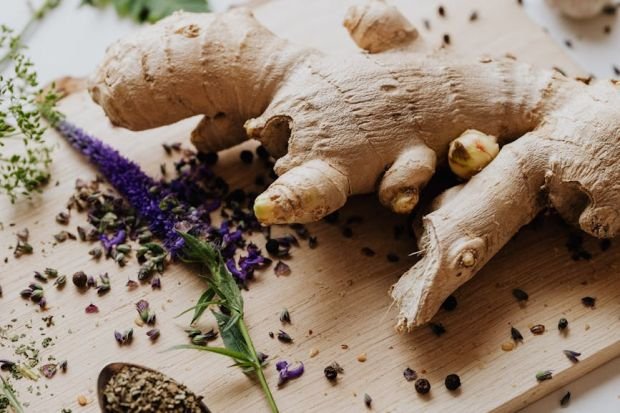
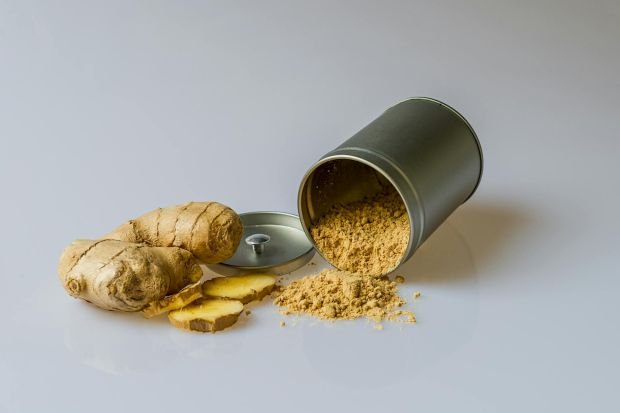
The same goes for ginger. Fresh root beats dried powdered ginger in active compounds hands down. Find firm, unblemished ginger with a spicy aroma just waiting to release its oils.
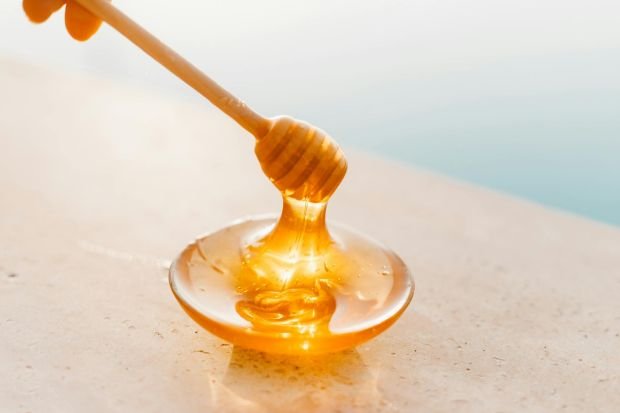
For honey, look for thick, slow-dripping consistency and don’t fear crystallization—it’s often a sign of purity, not spoilage. You can simply warm crystallized honey gently to bring it back to liquid gold.
Brewing Techniques: Keeping the Goodness Intact
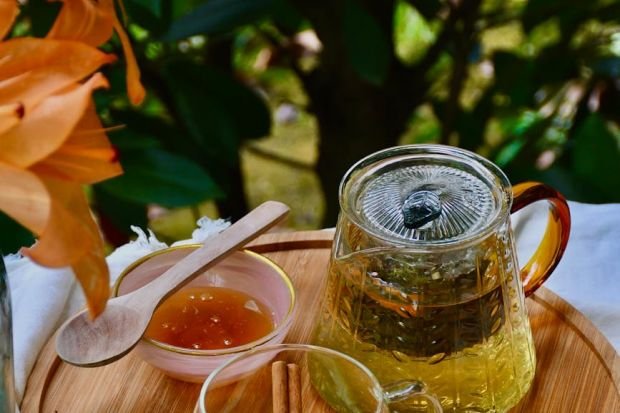
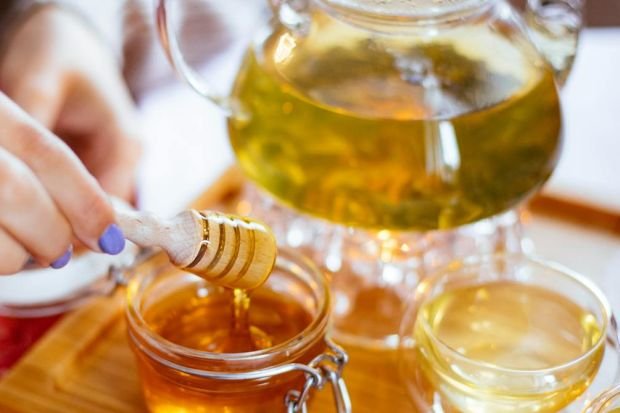
Heat’s not honey’s friend. Water should be heated to just below boiling—around 190°F—and then poured over fresh ginger to steep. After cooling to about 140°F (warm, but not hot), stir in your honey. Adding honey to boiling water kills off delicate enzymes, so timing is everything.
Feel free to jazz it up with a squeeze of lemon for a vitamin C boost, a pinch of cayenne for circulation, or cinnamon for blood sugar support. Just remember—patience with steeping unlocks the best from ginger’s oils, while careful honey addition preserves its goodness.
Culinary Versatility: Beyond the Teacup
Think outside the mug—this combo shines in the kitchen too. Swap honey-ginger syrup for refined sugar in baking. Your muffins or cakes won’t just taste better; you’ll sneak in antioxidants and anti-inflammatories without adding empty calories.
In savory cooking, think marinades and glazes. Mixing honey, ginger, soy sauce, and garlic creates flavor-packed, tenderizing blends perfect for meats and stir-fries. Honey’s caramelization and ginger’s bite strike a delicious sweet-heat balance.
Keep in mind that ginger can be intense for some, so start slow to avoid heartburn or irritation.
Safety First: What You Need to Know
Natural doesn’t mean risk-free. Honey should never be given to babies under one year because of botulism risk. People on blood thinners or diabetes meds should chat with their doctor before adding large amounts of ginger regularly—it can thin blood and affect blood sugar.
Moderation and listening to your body keep this remedy working in your favor.
Storage Secrets for Long-Term Shelf Life
Fresh ginger lasts longest when wrapped in a damp towel in the fridge or frozen for months. You can grate it straight from the freezer—convenient and potent.
Honey prefers a cool, dark spot in a sealed glass jar. Avoid heat and light, which degrade enzymes and antioxidants. Honey doesn’t spoil, but poor storage can dull its magic.
Understanding Honey Varieties and Their Benefits
Not all honey is the same. Manuka from New Zealand is known for exceptional antibacterial strength but comes at a premium price. Buckwheat honey is dark and rich in antioxidants, while acacia is floral and light-bodied.
Choose based on your needs, whether you want everyday antioxidant support or a medicinal punch for specific issues.
The Future of Natural Remedies and Supporting Pollinators
Research continues linking honey to promising roles in cancer prevention and brain health. As we learn more, the connection between traditional wisdom and modern science strengthens.
Buying local honey does more than boost your health—it helps protect bees vital to ecosystems and agriculture. Supporting sustainable beekeeping means preserving a natural source of healing for generations to come.
"Healing yourself and healing the earth go hand in hand."

Conclusion: Nature’s Sweet Prescription
Bringing raw honey and fresh ginger into your routine isn’t just old-fashioned—it’s smart, effective, and side-effect free. Next time you feel sniffles or digestion troubles, reach for this ancient remedy. You’re tapping into a tradition backed by both history and cutting-edge science.
Support local beekeepers, pick quality ingredients, and let this trusty duo—the warrior and the shield—guard your health naturally. Sometimes, the best medicine really is right in your kitchen.