Beyond the Golden Jar: Discovering the Real Healing Power of Raw Honey
There’s a quiet battle happening on grocery shelves everywhere. On one side, the ancient, golden gift from bees—raw honey. On the other, the slick, processed syrups masquerading as the real deal. Honey hasn’t just been a sweet treat for centuries; it’s been a powerhouse medicine, a natural preservative, and a symbol of life itself. But modern convenience often means we end up with honey so heated and filtered that all its magic—and many health benefits—have vanished. So when you’re picking up that jar, you’re not just choosing a sweetener—you’re choosing between real, living honey and something closer to plain sugar syrup. Let’s unpack what sets raw honey apart and why that slightly grainy texture you see in some jars isn’t a flaw, but a sign of authenticity.
What Really Happens When Honey Gets Processed?
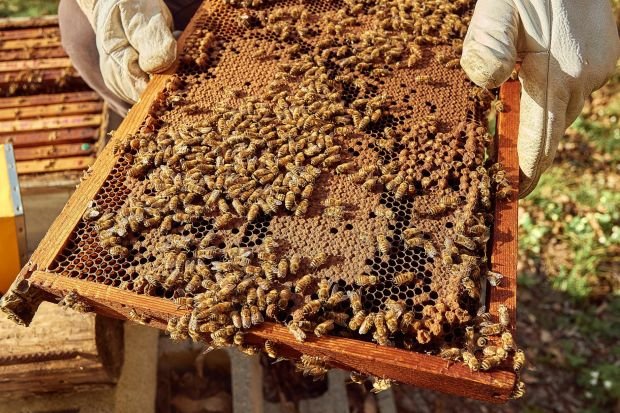
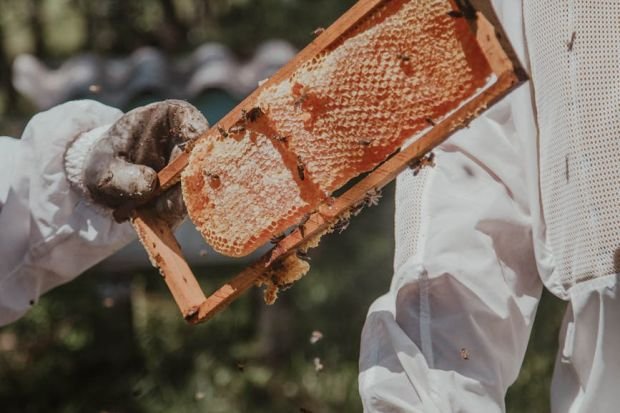
Honey makes its journey from hive to shelf two very different ways. On one side, raw honey is gently strained to remove big chunks like wax or wood, but it keeps pollen, propolis, and those all-important enzymes alive and well. This careful handling preserves honey’s full nutritional value—it remains a dynamic, living food.
Industrial honey takes a much harsher path. It’s heated to high temperatures and ultra-filtered until it looks clear and stays liquid for months. Sounds good for presentation, but all that heat destroys natural antioxidants and those delicate enzymes. Heating honey is like taking a lively rainforest and turning it into a lifeless desert—the vibrant bioactivity disappears. What’s left tastes sweet but lacks the complex chemistry that gives raw honey its healing powers. In this form, honey’s antioxidants that shield our cells vanish, and its digestive enzymes go poof. By the time this honey reaches your counter, nutritionally it’s indistinguishable from high-fructose corn syrup—just empty calories.
The Texture Talk: Why Grainy Honey Is a Good Thing
Ever picked up a jar of honey that’s cloudy or grainy and thought it was going bad? Actually, that’s the opposite of a problem: it shows the honey is real. Raw honey contains natural sugars that, over time, form glucose crystals—which give it that grainy texture. This crystallization means the honey hasn't been zapped by heat or filtered to remove its natural components. It’s pure and untouched.
Processed honey stays silky smooth because manufacturers keep it warm to avoid crystallization (and sometimes sneak in cheaper sweeteners to stretch the jar). This artificially clear honey might look fancy on your shelf, but it’s a red flag. If honey was heated enough to stop crystals from forming, it lost much of its natural goodness in the process. So next time you see graininess, think “badge of honor” rather than “defect.”
Enzymes in Action: Glucose Oxidase and Honey’s Antibacterial Shield
What really sets raw honey apart is its enzymes—glucose oxidase being the superstar. Bees add this enzyme to nectar, where it continues working in raw honey to create hydrogen peroxide once mixed with water or saliva. This isn’t just chemistry for chemistry’s sake; hydrogen peroxide is a gentle but powerful antiseptic that fights bacteria and wards off pathogens.
Heat processed honey? The enzymes are toast. No glucose oxidase means no hydrogen peroxide production and zero natural antibacterial action—raw honey’s natural defense becomes domesticated sugar. This difference matters tremendously, especially if you’re using honey to soothe wounds or support immune health. Raw honey also carries diastase and other enzymes that help your digestion and toxin defense. Processed honey strips away this living armor—leaving you with nothing more than empty sweetness.
A Potent Antioxidant Punch: Why Raw Honey Outperforms the Rest
Raw honey is packed with antioxidants—phenolic acids and flavonoids—compounds that help neutralize harmful free radicals causing cell damage and inflammation. Thanks to pollen and tiny floral particles preserved in raw honey, it boasts up to ten times the antioxidant levels found in processed honey.
When honey gets processed, filtering and heating whittle away these vital compounds, leaving a bland sweetener that can’t protect your cells. These antioxidants are frontline defenders against chronic diseases like heart conditions and cancer. Choosing raw honey means you’re sipping a cup of nature’s own protective cocktail, unique to the flowers the bees visited. Processed honey? More like sugar water with no superpowers.
Raw Honey and Your Gut: A Winning Microbial Team
Raw honey doesn’t just fight bad bacteria—it helps friendly bacteria thrive. It carries tiny beneficial microbes from flowers and hives that survive stomach acid and seed your gut microbiome. A flourishing gut flora means better digestion, a stronger immune system, and balanced inflammation.
Plus, the mild hydrogen peroxide produced in honey battles bad bugs without wiping out the helpful bacteria—pretty clever, right? Processed honey has none of these microbes or enzymatic magic. It simply spikes blood sugar without any gut goodies. For anyone serious about gut health, raw honey plays the role of functional food, while processed honey is just an empty-calorie masquerader.
Backed by Science: Raw Honey as a Remedy for Coughs
Raw honey isn’t just tradition; clinical studies confirm it’s a superior cough suppressant, especially for kids older than one year. Its thick texture coats and soothes the throat, while natural anti-inflammatories quiet irritation and reduce coughing—and good sleep follows.
The World Health Organization even endorses honey for sore throats as an effective, natural alternative to synthetic cough syrups—no harmful side effects attached. So the next time you need relief from that scratchy throat, raw honey might just out-perform over-the-counter options.
A Medical Marvel: Raw Honey in Modern Wound Care
You might be surprised to learn raw honey is making waves in hospitals for wound care. Its unique ability to create a moist, germ-fighting environment helps wounds heal faster and keeps nasty biofilms—those bacteria shelters antibiotics dread—from forming. Medical-grade raw honey dressings are used for stubborn infections and minor burns, showing remarkable success where traditional treatments fall short.
Processed honey just can’t compete here. The enzymes and antioxidants needed to stimulate healing don’t survive industrial processing, so it’s a sugary paste without medicinal action. Raw honey’s clinical recognition isn’t folklore—it’s science in action.
Safety: Why Babies Under One Should Skip Honey
Honey isn’t for everyone, though. Infants under 12 months shouldn’t consume honey due to the risk of Clostridium botulinum spores that can cause botulism. Their immature guts can’t handle these spores, but for older children and adults, stomach acid neutralizes them effectively. If you’re on blood sugar medications, talk to your doctor—honey’s natural sugars can interact with insulin or anticoagulants.
Keep this safety rule in mind, and you can enjoy raw honey confidently.
How to Pick Real Raw Honey
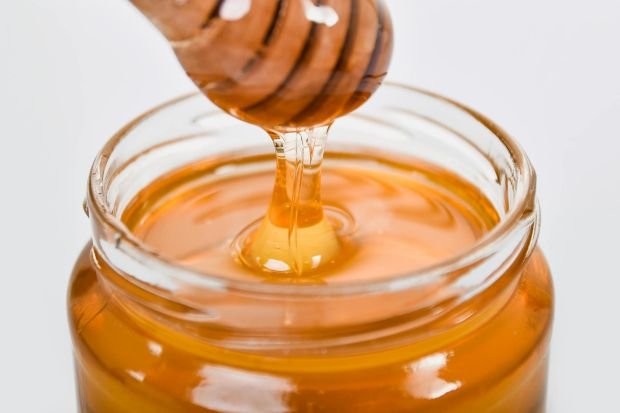
Finding true raw honey means reading labels carefully. Look for buzzwords: raw, unfiltered, unpasteurized, or cold-extracted. Names like clover, buckwheat, or wildflower suggest floral purity rather than generic blends.
Avoid honey that’s perfectly clear and odorless—it’s often been stripped of all character. Real raw honey has a rich aroma, hinting at the blossoms the bees visited—from floral to earthy notes. Quality producers often share hive location and harvest dates. This transparency is a strong sign of authenticity.
Handling Honey Right: Keep It Cool, Keep It Alive
Even the best raw honey loses its punch if heated too much. Boiling water or cooking at high heat kills enzymes and wipes out beneficial microbes. It’s best to stir honey into warm, not boiling, tea or drizzle it over oatmeal once cooked.
Think of raw honey as a delicate finishing touch, not a heat bomb. Treat it gently, and you preserve its health benefits and flavors.
Paying the Price: Why Raw Honey Is Worth It
Raw honey costs more, no doubt. That’s because making it takes care—no shortcuts with heat or filtration, just hands-on handling. It doesn’t last forever since it crystallizes naturally, requiring fresh batches.
Buying local honey in bulk can save money and support sustainable beekeepers who protect bee populations. Remember: cheaper honey often means compromised quality. Raw honey is an investment in health and a nod to nature’s craftsmanship.
Supporting Bees Means Supporting Us
Your choice in honey affects more than your health—it impacts bee survival. Climate change and habitat loss threaten these vital pollinators. Supporting local, raw honey producers helps maintain healthy bee colonies and the rich floral diversity they need.
Emerging research even hints raw honey may protect brain health—proof the connection between bees, flowers, and our wellbeing runs deep. Choosing raw honey is a small way to back the buzzing heroes who keep our ecosystems thriving.
Sweet Final Thoughts
Raw honey is a nutritional powerhouse, offering immune support, gut balance, and antioxidant defense—none of which you get from processed syrup. That grainy texture? It’s proof of purity. By seeking out real raw honey, you’re aligning your diet with nature’s wisdom and supporting healthier bees and a healthier planet.
So whenever you spoon out real honey, you’re not just sweetening your day—you’re embracing a golden gift that’s been quietly healing us for thousands of years.