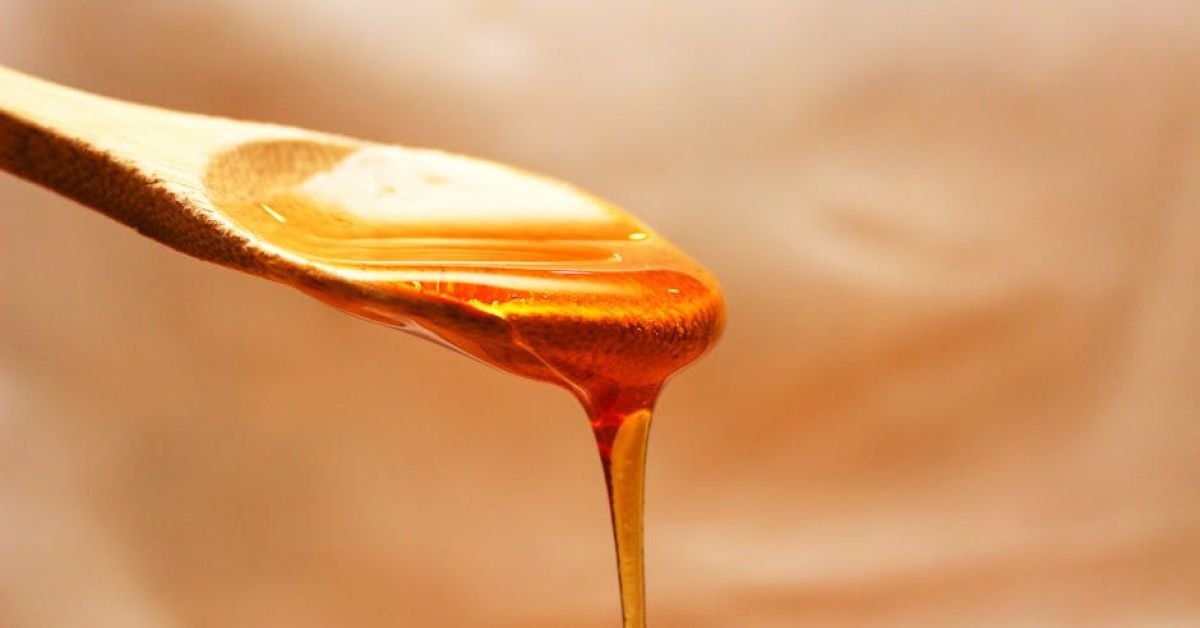
Raw Honey: Get More Energy (Just Like Ancient Greek Athletes Did!)
Beyond the Sweetener: The Science, Safety, and Secrets of Switching from Sugar to Raw Honey
Picture this: ancient Greek athletes powering through their grueling training sessions not with sports drinks or energy bars, but with a golden, sticky fuel straight from the hive. For thousands of years, honey has been more than just a treat—it's been a symbol of strength and vitality. Fast forward to today, and most of us have swapped that natural sweetness for highly processed sugars that flood our bodies with empty calories and chaos. The numbers don’t lie: we're eating absurd amounts of refined sugar, while barely touching real honey. What if just switching from sugar to raw honey could change everything about how you feel?
Americans gobble up around 17 teaspoons of added sugar daily—13 of those come from the infamous high fructose corn syrup. Meanwhile, we barely average a teaspoon of honey per day. This isn’t just a dietary quirk; it’s a crossroads between two very different substances. One fuels inflammation and messes with insulin, the other delivers enzymes, antioxidants, and vital minerals that your body actually wants.
Changing to raw honey isn’t just a simple swap; it’s a whole new way to feed your body that affects everything—from your gut health to how your skin glows, even your endurance at the gym. But before diving in, you’ll want to know the real difference between that genuine golden elixir and the syrupy imposters crowding the shelves. It’s time to get the buzz on honey and find out why going raw matters.
1. The Sweet Disparity: Why Americans Are Over-Consuming Refined Sugar
Let’s be honest: sugar is everywhere. From your morning cereal to your afternoon soda, it sneaks into almost everything. The average American downs about 17 teaspoons of added sugar daily. That's like sprinkling sugar all over your meals without blinking. And 13 teaspoons of that? High fructose corn syrup—the cheap, shelf-stable villain behind skyrocketing rates of obesity, diabetes, and inflammation.
Now, compare that to the humble jar of honey. In 2020, Americans ate about 1.75 pounds of honey each over the whole year. That works out to less than a third of a teaspoon per day. Tiny in comparison and frankly, a missed opportunity.
Why the huge gap? Refined sugar is a stripped-down chemical: empty calories that the body quickly converts to fat, spikes insulin, and sets off inflammatory fireworks under your skin. Honey, raw and unfiltered, has a far richer nutritional picture. It’s packed with enzymes, minerals, and antioxidants that can actually help your metabolism instead of sabotaging it.
It’s not just about sweetness on the tongue—it’s what comes along for the ride. Refined sugar stresses the body, but raw honey supports it.
We’re drowning in industrial sweeteners, ignoring the precious natural fuel that bees have been crafting for millions of years. That’s no accident—it’s a recipe for chronic health problems. So, swapping the sugar bowl for a honey jar isn’t just a health fad—it’s a smart choice that could rewrite your body’s story toward repair and resilience.
2. Raw vs. Processed: Decoding the Labels and Processing Standards
Walking down the honey aisle is like trying to read ancient hieroglyphs. Terms like "pure," "natural," or "100% honey" don’t tell you nearly enough. To really know what you're getting, you need to know the difference between raw and processed honey.
Raw honey is basically honey in its purest form—straight from the hive with none of the good stuff stripped away. It’s a bit cloudy because it still holds bee pollen, propolis bits, and wax particles. These aren’t contaminants; they’re the nutritional treasures that make raw honey special.
Processed honey, on the other hand, is often heated up way too much and filtered through the equivalent of a sugar factory to remove those bits. The FDA calls heavily filtered stuff “ultra-filtered”—and warns it’s not really honey anymore. This stuff might look crystal clear and sparkle on the shelf, but all the enzymes and antioxidants have been zapped away. What’s left? Just flavored sugar water.
If your honey jar shines like a clear glass window, chances are you’re looking at processed syrup—not the real deal.
When raw honey is put under too much heat—anything over about 95°F—the enzymes that make it medicinal get destroyed. Those delicate, beneficial compounds are fragile little creatures, so gentle handling is key.
Labels can be misleading. “Natural” isn't a magic word, and “100% honey” doesn’t guarantee goodness if the jar is clear and syrupy. Look for signs like tiny bits of pollen, a creamy texture, and an opaque hue. Those are red flags that you’re holding true raw honey, not just honey-flavored liquid sugar.
3. The Science Behind the Clarity: Why Opaque Honey is Superior
Everyone assumes clear honey means pure honey. Not quite. A lot of that clarity is bought at the price of nutritional damage.
Research from Texas A&M’s Palynology Lab found that three out of every four honey bottles on supermarket shelves have no trace of pollen at all. Pollen isn’t just floral glitter—it’s loaded with vitamins, minerals, and antioxidants that set honey apart from plain sugar. Without it, honey loses its story, flavor complexity, and health benefits.
Opaque honey gets that cloudy look from all the pollen, wax, and tiny particles still suspended within. This cloudiness is a badge of authenticity. It's proof that the honey wasn’t blasted with heat or tortured through filters.
Think of cloudy honey like an unfiltered craft beer—full of character and complexity, with none of the bland gloss that processed products have.
Those clear jars? They’re basically commercial syrup with a honey label. Plus, high heat processing creates compounds like hydroxymethyl furfuraldehyde (HMF) — a nasty byproduct linked to nutritional loss and potential health concerns.
So, when you pick that cloudy, creamy jar that doesn’t sparkle like glass, you’re inviting real, whole honey into your life—the stuff packed full of nature’s goodness.

4. Navigating Honey Varieties: From Acacia to the Gold Standard Manuka
Honey isn’t one-size-fits-all. Like wine or coffee, the flavor and benefits shift depending on what flowers the bees visited.
There are two big categories: monofloral and polyfloral honeys. Monofloral means the nectar is mostly from one flower. For instance, Acacia honey is light and delicate, with a gentle sweetness that hardly overpowers your tea. Buckwheat honey, its dark and hearty cousin, is richer and more molasses-like.
Polyfloral honey comes from a buffet of flowers, soaking up a complex mix of flavors and making every jar taste slightly different.
But if you want a superstar health boost, look no further than Manuka honey. Native to New Zealand, it’s the rockstar of honeys due to its unique antibacterial properties. Manuka’s secret weapon? The UMF (Unique Manuka Factor) rating that measures its potency against bacteria. Higher UMF numbers mean stronger healing magic, perfect for everything from soothing skin wounds to boosting immunity.
Bonus tip: Don’t be scared of honey crystallizing—it's actually a sign you got raw honey and not the pasteurized stuff. Just warm it gently if you like it liquid!

5. The Functional Food Profile: What's Inside a Tablespoon of Raw Honey
Put down the sugar packet, and pick up a spoon of raw honey—you might be doing your body a favor.
Inside a single tablespoon of raw honey (around 21 grams), you’ll find an impressive cocktail: 22 amino acids, 27 minerals, and over 5,000 enzymes! That’s a far cry from the empty-sugar calories you’re used to.
These amino acids help mend tissues, minerals support critical cellular jobs, and enzymes like catalase keep your antioxidant systems humming. Of course, all those goodies disappear if the honey’s been heated too much—another reason to stick with raw.
A tablespoon packs about 64 calories and 17 grams of carbs—but here’s the kicker: honey’s glycemic load is actually lower than that of a banana. Thanks to a balanced mix of fructose and glucose alongside those helpful compounds, it releases energy slower and steadier than plain sugar, helping avoid those blood sugar rollercoasters.
And here’s a fun fact: honey’s low water content (around 18%) means it doesn’t spoil easily—no fridge required.
On top of basic carbs, raw honey is bursting with phytonutrients like polyphenols and flavonoids. These tiny antioxidants are your body’s warriors against oxidative stress, inflammation, and cell damage. Translation? Raw honey is more than sweet—it’s a health-boosting powerhouse.
6. Weight Management and Metabolic Health: Honey vs. Sugar
Sugar has a not-so-sweet reputation for packing on pounds and sending your blood sugar on a wild ride. Honey flips the script.
Studies show that swapping sugar with honey can prevent weight gain and keep blood sugar and triglycerides in check. Rats fed honey stayed leaner and healthier than those fed sugar. In humans, honey activates hormones that make you feel full, helping control cravings and calorie intake. Sounds like a sweet deal to me.
Why? Honey’s sugars absorb more slowly, leading to smaller insulin spikes. That’s good news for anyone wanting to dodge the fat-storing effects of crazy blood sugar swings.
Choosing honey is like switching from a sugar bomb to a slow-burning campfire—it keeps you cozy longer without the crash.
Honey also improves your lipid profile by lowering triglycerides (the kind of fat that clogs arteries) and boosting “good” HDL cholesterol. Plus, its antioxidants help tame inflammation—a root cause of many lifestyle diseases.
Put simply: honey isn’t just another sweetener. For managing weight and metabolism, it’s your metabolism’s new best friend.
7. Allergy Relief and Immune Support: The Local Honey Connection
It might sound odd to eat a little pollen when allergies make your nose run—but local raw honey just might be the natural antidote.
The idea is simple: eating honey packed with local pollen can gradually train your immune system to tolerate those pesky allergens, similar to how allergy shots work. Some studies back this up—people fed a daily dose of local raw honey saw fewer sniffles and less congestion during allergy season.
But here’s the catch: only local raw honey works. Pasteurized store-bought honey? No pollen, no magic.
If you want to try it, aim for a tablespoon of local raw honey daily for several months. It’s a gentle, delicious way to potentially ease hay fever without the side effects of meds.
And while you’re at it, raw honey’s antioxidants and enzymes give your immune system a boost from the inside out—handy during cold and flu season.

8. The Athlete's Fuel: Pre- and Post-Workout Performance
Finding the right fuel for workouts is like hunting the holy grail. Honey might just be it.
Called “the perfect running fuel,” honey’s sugars are absorbed quickly and stored as glycogen—the energy your muscles crave during endurance sports. Research shows honey stacks up just as well as pricey commercial energy gels but without the artificial junk.
Honey also feeds your gut’s good bacteria—something many sports supplements forget—helping keep your digestion smooth during intense training.
After the grind, honey helps refill energy stores and mellows out muscle soreness thanks to its antioxidant punch. Mix it with yogurt or milk for a post-workout snack, and you’re tapping into nature’s own recovery aid.
9. Antioxidant Powerhouse and Disease Prevention
It’s no secret that antioxidants are the body’s superheroes, taking down free radicals that damage cells and spark disease. Raw honey is loaded with them—polyphenols and flavonoids like pinocembrin and chrysin.
These fighters help reduce oxidative stress and dial down chronic inflammation, which underlie many modern illnesses like heart disease, cancer, and diabetes.
Regular honey consumption can seriously boost your antioxidant defenses—your body’s natural shield against chronic damage.
That’s another reason raw beats processed every time. Heat and filtering zap most of these antioxidants, leaving you with just sweetener and no superhero backup.
10. Topical Marvels: From Wound Healing to Acne and Eczema
Honey’s powers don’t stop inside the body. Slathered on skin, it’s a natural antiseptic and healer.
Research from the University of Waikato confirms honey’s ability to produce hydrogen peroxide upon contact with wounds, making it great for cuts, burns, and ulcers. It’s gentle but effective.
For acne-prone skin, warm half a teaspoon between your fingertips and use it as a cleanser to fight bacteria and soothe inflammation.
Struggling with eczema? Mix honey with a pinch of cinnamon and watch the itch ease and your skin heal. Plus, blending honey with olive oil and lemon creates a moisturizing fix that nourishes dry or scarred skin beautifully.
Nature’s all-in-one skincare, anyone?
11. Respiratory Health: The Natural Cough Syrup and Sore Throat Soother
When the cough hits, honey steps up as a safe and effective remedy.
Studies show honey works as well as over-the-counter cough medicines containing diphenhydramine and dextromethorphan—but without the grogginess or side effects.
For kids over one year old and adults, a spoonful before bed can soothe coughs and calm irritated throats.
Add lemon and hot tea for an extra hit of comfort and relief—nature’s medicine cabinet, right at your fingertips.
12. Critical Safety Guidelines: Risks, Caveats, and Storage Rules
Before you load up on honey, a few safety notes worth remembering.
First off: never give honey to babies under 12 months. Their immature digestive systems are vulnerable to botulism spores that honey can harbor—a serious and potentially fatal risk.
Avoid overheating your honey too. High temperatures produce compounds like hydroxymethyl furfuraldehyde (HMF), which is linked to negative health effects.
Store honey at room temperature; refrigeration just speeds up crystallization (which is harmless but not always aesthetically pleasing). If you have immune issues, allergies to pollen, celery, or bee products, or are undergoing treatments like chemotherapy, check with your doctor before using honey therapeutically.
13. Sourcing and Usage: How to Find the Best Honey for Your Kitchen
Want to tap into all the goodness honey has to offer? Go local and raw.
Support your neighborhood beekeeper for pollen-rich, fresh honey that matches your area’s pollen profile—great if you’re chasing allergy relief. Watch out for additives and always prefer opaque, creamy jars over sparkling clear ones.
A quick cooking tip: for recipes without heat (like salad dressings or drizzle on toast), use two teaspoons of honey for every tablespoon of sugar.
14. Final Verdict: Making the Switch to a Healthier Sweet Life
Raw honey is nature’s jackpot: full of vitamins, minerals, antioxidants, and enzymes—an all-around functional food that offers real health perks.
Replacing your daily sugar habit with raw local honey doesn’t just taste better—it supports your metabolism, immunity, and overall vitality.
Next time you reach for something sweet, give unfiltered, unpasteurized honey the spotlight it deserves.
Small tweaks like this have big ripple effects. You’re not just sweetening your day—you’re inviting a time-tested, golden elixir to back you up on your journey to feeling your best.
Go ahead—embrace that ancient wisdom, and taste the buzz of truly sweet living.