
The Magic of Honey and Ginger: A Delicious Duo for Immunity and Digestion
The Magic of Honey and Ginger: A Delicious Duo for Immunity and Digestion
There’s something undeniably comforting about curling up with a warm mug in your hands—watching the steam curl upward and feeling the cozy heat seep in. But when that mug holds a blend of honey and ginger, it’s more than just comfort. It’s like a warm hug for your immune system and digestion all at once. This duo isn’t just about flavor—it’s about a harmony that’s been celebrated for centuries, combining honey’s sweet, soothing richness with ginger’s spicy kick to create a potent little powerhouse that feels like pure wellness in a cup.
Think about those moments when your throat’s scratchy, or your belly feels heavy after a big meal. Sure, popping a pill might help temporarily, but honey and ginger go deeper—they soothe, they support, they heal. They don’t just mask symptoms; they gently nudge your body back into balance. This pairing is a perfect example of how nature’s ingredients work better together—like peanut butter and jelly or socks and sandals (well, maybe not the last one). Let’s unpack the science and soul behind this timeless remedy and see why it’s stood strong through centuries.
"Nature does not hurry, yet everything is accomplished." – Lao Tzu
This quote is the perfect vibe for brewing your own ginger-honey tonic—it’s slow, deliberate, and totally worth the wait. Whether you’re fighting off a cold, soothing digestive woes, or just want a daily pick-me-up, this golden elixir is one to keep on hand.
Why This Pairing Works: The Science of Synergy
Honey isn’t just sweet sticky stuff; it's basically nature’s golden elixir packed with antioxidants like flavonoids and phenolic acids that battle free radicals—those pesky culprits behind cell damage and early aging. Thanks to its low pH and even a little built-in hydrogen peroxide, honey naturally fights off bacteria and fungi. So when you’re coating a sore throat or slathering it on a scratch, you’re tapping into ancient, natural healing powers.
Ginger, on the flip side, is like your body's fiery best friend. The star compound here, gingerol, packs an anti-inflammatory and antioxidant punch that helps calm swelling and ease pain. Beyond that, ginger revs up digestion, gets the blood flowing, and tackles nausea like a champ. Put simply, if honey is the shield, ginger is the warrior sweeping the battlefield clean.
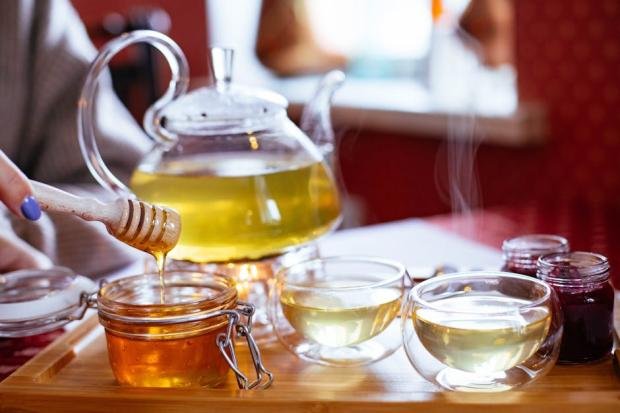
Mix them, and things get really interesting. Ginger’s heat helps release honey’s beneficial compounds, while honey’s thickness traps those precious ginger oils in the drink. The result? A smooth, soothing combo that soothes the throat without leaving that sticky feeling honey alone can cause. It’s like a perfectly choreographed dance—spicy meets sweet, resulting in a drink that hits the spot on every level.
This isn’t new wisdom, either. Civilizations from Egypt to Greece and ancient China all raved about this tag-team. Egyptians treated wounds with honey’s magic and prized ginger for warmth. Hippocrates, the ancient Greek physician, recommended it for digestion and breathing troubles. Traditional Chinese medicine calls ginger a “warming” herb to shake off cold and congestion, while honey nourishes and moisturizes. Clearly, this duo isn’t just trendy—it’s tried and true.
Understanding Your Body's Needs: When to Reach for This Remedy
Knowing when to lean on honey and ginger is half the battle. If you’re just starting to feel the first tickle of a cold or flu sneaking in, this warm combo is a go-to. It calms that scratchy throat and quiets the cough before it turns into a full-blown drama. It’s like giving your immune system a cozy blanket while it gears up for battle.
But it’s not just for colds. Ever feel sluggish or bloated after a heavy meal? This little tonic can jump-start digestion and chase the bloat away. Ginger lights up your digestive fire (Ayurveda calls it agni), helping food break down faster and nutrients soak in better. Honey gives you an energy lift without the usual sugar crash, so you feel fueled rather than frazzled.
Then there’s the difference between quick fixes and daily habits. If you notice you’re always catching something or your digestion isn’t what it used to be, peppering your routine with some ginger and honey can be a game-changer. Are you constantly sneezing at the office or fueled by drive-thru meals? That’s when this combo shines—not just as relief but as everyday armor.

The Golden Standard: Choosing the Right Honey
Not all honey is created equal, and if you want the full superfood experience, skip the stuff that’s been cooked and filtered to look pretty on supermarket shelves. Real, raw honey is a marvel—it’s a thick, cloudy golden treasure chest filled with antioxidants, enzymes, and pollen that’s downright good for you.
Some varieties stand out: Manuka honey from New Zealand is famed for its antibacterial might but it’s pricey; buckwheat honey is darker with a rich malty taste and a powerful antioxidant profile; acacia honey is light and floral, great if you prefer a milder sweetness without the quick crystallizing drama.
A quick tip: If your honey’s too runny or clear, it might be sneaking syrup into the mix—definitely not the good stuff. Look for that sticky, slow-drip consistency and watch for crystallization—nature’s way of showing purity. Farmers’ markets or trustworthy brands are your best bets.

The Root of Power: Selecting the Best Ginger
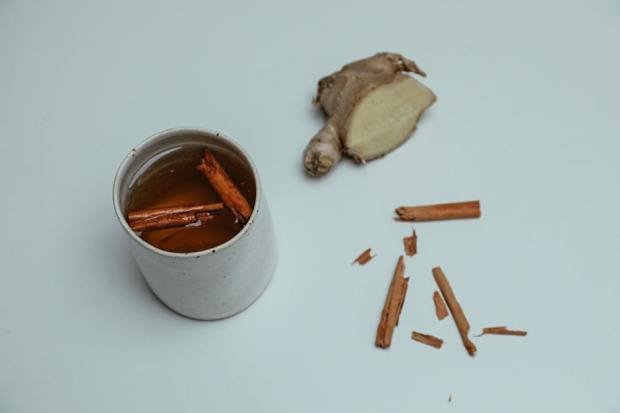
Ginger’s charm depends a lot on the form you pick. Fresh ginger root is your best friend for brewing teas or tinctures because it packs the highest level of gingerol, the active, spicy compound that brings anti-inflammatory magic. Dried ginger powder is handy for baking or when you want a gentler ginger touch without the heat.
Young ginger is lighter and tender, perfect if you want subtle spice. Mature, knobby ginger root is your powerhouse for medicinal brews and culinary kick. And no, crystallized ginger (the candy kind) is delicious but loaded with sugar—better for snacking than healing.
Organic is best if you can swing it, especially since ginger can carry pesticides if grown conventionally. Look for firm, fresh roots without spots or wrinkles—if it looks sad, it probably is sad. Store fresh ginger in the fridge wrapped in a damp towel or freeze it for longer shelf life.
Mastering the Brew: Classic Ginger-Honey Tea Recipes
Making the perfect ginger-honey tea is simple but worth a little finesse. Start with fresh water brought to a near-boil—too hot and it’ll kill some of ginger’s delicate goodness. Add thin slices of fresh ginger and let it steep for 10-15 minutes, allowing all those warming oils to infuse your cup without turning bitter.
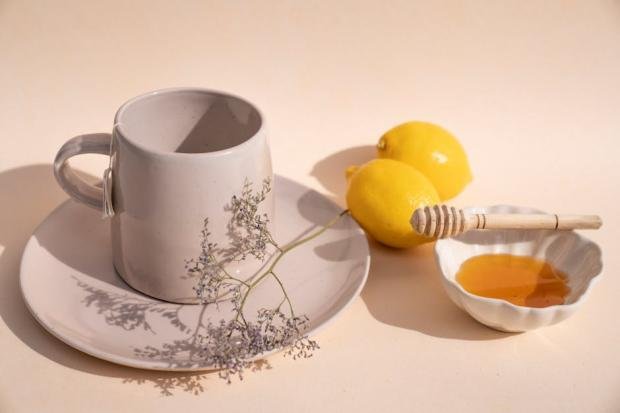
Add your honey last, once the tea’s cooled a bit—heat over 140°F (about 60°C) can zap honey’s enzymes. Mix until smooth and personalize! Lemon juice brightens things up with vitamin C, a dash of cayenne adds a spicy punch that’s great for circulation, and cinnamon brings cozy warmth plus blood sugar benefits.
For a quick shot of immunity, juice a small piece of ginger, stir in a teaspoon of raw honey and a sprinkle of cayenne. Take it straight or with a splash of water if it’s too fiery. You can also simmer ginger slices until the water reduces by half, strain, then stir in honey for a syrup that stores in the fridge and jazzes up drinks, smoothies, or even roasted veggies.

Beyond the Cup: Culinary Applications for Daily Wellness
Tea’s classic, but honey and ginger are surprisingly versatile. Imagine drizzling ginger-honey syrup over your morning smoothie bowl for a sweet-spicy kick, or stirring fresh ginger and a dollop of honey into your oatmeal for that satisfying “wake-up” flavor that’s good for your gut.
Baking? Absolutely. Use ginger-honey syrup instead of refined sugar in muffins or cookies—the ginger adds unexpected depth without extra calories. And for savory fans, try a marinade with honey, ginger, soy sauce, garlic, and vinegar. It tenderizes meat while packing in layers of flavor. Think sticky, spicy, tender chicken or tofu that’s as much wellness boost as dinner.
Soothing the Stomach: Targeted Relief for Digestive Issues
Few combos calm the belly like honey and ginger. Ginger helps move food out of your stomach faster, reducing that heavy, bloated feeling after a big meal—no more rocking back and forth trying to find comfort. Honey coats your stomach lining, soothes irritation, and helps reduce inflammation, which is a godsend for sensitive stomachs or gastritis.
If nausea hits—whether from motion sickness, pregnancy, or just “ugh” mornings—ginger’s natural anti-nausea powers kick in, and honey helps calm nerves to ease queasiness. For heartburn sufferers, ginger relaxes the lower esophageal sphincter, keeping acid reflux in check, while honey soothes your throat and stomach lining. IBS flare-ups, with their gas and cramps, often respond well to this duo’s gentle gut support.
Start slow—too much ginger can upset some tummies. Find your sweet spot and let the magic work gradually.
Supporting the Immune System: Fighting Off Infections
Your immune system’s best allies, this duo attacks on multiple fronts. Honey’s antioxidants neutralize harmful free radicals that otherwise wear down your defenses. Ginger fights viruses, lending its antiviral powers to halt infections before they get out of hand.
That cough and sore throat? Honey actually works as well as some over-the-counter cough medicines, wrapping that itchy throat in a soothing coat while ginger calms inflammation. Studies back up what grandma always said—this combo cuts cough severity and frequency without synthetic side effects.
Many who make ginger-honey tea a regular ritual report fewer colds and quicker recoveries come flu season. It’s like giving your body a little booster shot, minus the needle.
Safety First: Who Should Be Cautious?
Like all good things, honey and ginger come with a few caveats. Honey is a no-go for babies under one year—there’s a tiny risk of botulism spores that their immature systems just can’t handle yet. For everyone else, honey’s safe, but if you’re watching your sugar or living with diabetes, keep an eye on portions.
Ginger’s mild blood-thinning qualities mean if you’re on anticoagulants like warfarin, or managing diabetes medications, check with a doc before going ginger-heavy. Too much ginger might also cause heartburn, diarrhea, or mouth irritation for some folks—so if you start feeling off, ease off the spice.
Start small, listen to your body, and adjust accordingly—there’s healing, and then there’s overkill.
Storage and Shelf Life: Keeping Your Remedy Fresh
Honey’s got an impressive shelf life but keep it cool, dark, and airtight to preserve those precious enzymes and antioxidants. If it crystallizes (your clue it’s real), pop the jar in warm water to liquefy without heat damage.
Fresh ginger likes the fridge too, wrapped in a damp towel—good for a couple of weeks. Want to keep it longer? Freeze it whole or chopped in sealed bags. Ginger-honey syrups and teas should live in the fridge and stay fresh for a couple of weeks tops. If anything smells funky or shows mold, toss it—better safe than sorry.
Building a Habit: Integrating This Duo into Your Lifestyle
Making honey and ginger a regular thing doesn’t have to feel like a chore. Maybe it’s a morning cup before breakfast, or a calming nighttime tea to unwind. When stress hits or you feel a sniffle coming on, a stronger shot can rally the troops.
Pair it with good habits—hydration, sleep, stress management—and you’re set up for success. The best part? You’re tuning into your body, giving it exactly what it needs, whether that’s a once-in-a-while boost or daily TLC.
Conclusion: Embrace the Natural Power of Nature
Honey and ginger are like old friends who always show up with just the right remedy. Together, they soothe sore throats, settle upset stomachs, and help fend off whatever bug’s going around. The science backs it up, history whispers their secrets, and your taste buds get the pleasure.
This isn’t about trading out your doctor’s advice—it’s about teaming up with nature’s gifts to feel your best every day. So why not brew that cup now? Let the warmth and sweetness wash over you and see what a little ancient magic can do for your wellbeing.
Give it a try, and share your stories—because good remedies are made better when passed along.