5 Benefits Of Local Honey People With Allergies Shouldn't Ignore
For generations, you’ve probably heard the same cozy advice: when you’re drowning in seasonal sneezes and that scratchy throat kicks in, a spoonful of honey always helps. It’s like a sweet little hug for your irritated throat after battling post-nasal drip. But here’s the thing — not all honey is created equal, and the magic behind honey’s allergy-relief power lies less in its sweetness and more in where it comes from. Generic honey from halfway across the globe won’t cut it. If you want to turn honey into a real allergy-fighting ally, you need to get your hands on local, raw honey straight from your backyard’s buzzing neighborhoods.
Being "local" isn’t just a marketing catchphrase; it’s the secret sauce that makes honey a gentle immune trainer. When honey contains pollen from your exact area, it’s like giving your immune system a tiny immunization against the worst triggers in your own hood. Regularly eating this pollen-laced honey allows your body to build up tolerance, dialing down the allergic drama. But to really get how this works, you’ve got to understand pollen geography, oral immunotherapy, and why raw, unfiltered honey is a must-have. Buckle up, because we’re about to uncover five surprisingly powerful benefits of local honey — and show you how it can quietly change your allergy game for the better.
Why "Local" Matters: The Science Behind Pollen and Geography
Think of bees as little neighborhood food critics, sticking to a specific “delivery zone” — usually about three miles from their home hive. This travel limit means the pollen they collect is a pretty faithful snapshot of your surroundings’ local flora. That’s the major difference between local honey and the generic stuff on supermarket shelves.
You might have heard terms like monofloral and polyfloral honey. Monofloral honey is the bee’s version of a one-flavor specialty — like clover or buckwheat — and has pollen mostly from that particular plant. Polyfloral honey, on the other hand, is a wild buffet of nectar and pollen from dozens of plants painted across your local landscape. It’s this diverse pollen cocktail that turns local honey into an allergy-busting powerhouse.
When you eat local honey, you’re basically building a “pollen bridge” between the pollen outside and your immune system inside. Tiny pollen grains hitch a ride through your digestive tract, introducing themselves to your immune defenses in a chill, non-threatening way. Normally, your body would freak out at these pollen invaders, launching a full allergic attack. But by regularly sampling this local pollen through honey, your immune system slowly learns to play nice instead of throwing a fit. It’s like training a hyperactive guard dog to relax around familiar faces — with patience and repeated exposure.
Here’s the kicker: not all honey does this. Mass-produced honey often comes from bees roaming over huge, mixed areas and then gets pasteurized and filtered, scrubbing out those precious pollen grains entirely. Without the local pollen, it’s just sweet liquid gold without the allergy-fighting punch. So, if that jar doesn’t shout “local and raw,” it’s probably just honey in name, not in immune-boosting fame.
How Local Honey Trains Your Immune System
So, how does this slow introduction to pollen actually help? It’s a bit like training wheels for your immune system — a process doctors call oral immunotherapy. By introducing small, digestible doses of your problem pollen through honey, you’re gently encouraging your body to stop overreacting.
It doesn’t happen overnight, though. Eating local honey regularly teaches your immune system to switch from a hyper-alert “emergency mode” to a calm, tolerant stance over time. One of the science-y reasons behind this is the creation of IgG antibodies. Unlike the allergy-triggering IgE antibodies (the ones that make you sneeze like you’ve run a marathon), the protective IgG antibodies actually block the pollen’s sneeze-inducing signals before they cause trouble.
Think of it as the immune system’s version of a bouncer who stops the unruly allergy-causing pollen from crashing the party. The honey carries these pollen proteins safely through your gut, where your immune system gets the message: “Hey, these aren’t the bad guys.” Eventually, when those same pollen grains show up in your nose or throat, your immune system stands down, reducing symptoms like sneezing and itchiness. Local honey becomes a natural shield for your mucous membranes.
Patience is the name of the game here. Most folks need to stick with daily honey doses for months — sometimes close to a year — before they feel meaningful relief. If you just take a week off (or don’t keep up daily doses), your immune system forgets the lesson, and the benefits slip away. Honey soothes your throat instantly, but turning down those relentless hay fever attacks is a marathon, not a sprint.
The Unique Pollen Profile of Your Region
Your local honey is like an evolving patchwork quilt of all the flowers and trees blooming throughout the year. Early spring honey carries pollen from cherry blossoms and oak trees. Summer honey might be loaded with wildflowers and agricultural plants, while fall honey reflects late bloomers like goldenrod. It’s your local ecosystem, jarred and ready to work with your body.
Contrast that with imported honey, which can be from places thousands of miles away — Australia’s manuka fields or Europe’s acacia groves — totally mismatched to your personal pollen enemies. Eating that distant pollen is like trying to dodge a rainstorm wearing a swimsuit — no protection at all. Your immune system needs to be introduced to the real culprits lurking in your own neighborhood, not random botanicals from halfway across the world.
Spotting real local honey isn't rocket science. Look for labels that proudly name your region — "Hudson Valley honey" or "Pacific Northwest pure honey" — instead of vague labels just naming the flower or “wildflower.” Better yet, chat up your beekeeper directly. Legit local beekeepers love talking about their hives, showing off pictures, or even inviting you to visit. Bonus: You’re supporting someone who genuinely cares about your area’s pollination scene.
Beyond Allergies: The Antioxidant Powerhouse
Aside from teaching your immune system to chill out, local honey packs a punch as a natural antioxidant bounty. It’s loaded with flavonoids and phenolic acids — fancy names for compounds that help mop up harmful free radicals causing wear and tear on your cells.
Why care? Because oxidative stress (the fancy term for this cell damage) feeds into inflammation and fuel for all sorts of chronic issues, including allergic inflammation. The complex pollen blend in polyfloral local honey gives you a diverse antioxidant cocktail, way more than single-flower honeys can offer.
These antioxidants lend a gentle, invisible armor to your immune system, letting it function smoothly instead of going haywire during spring pollen season. Think of it as a behind-the-scenes crew that keeps the immune system rested and ready, while the pollen exposure through honey trains it to behave better.
Just remember: these perks only come with raw honey. Heat it up too much, and these delicate antioxidants and enzymes break down. Pick the right raw, local honey, and you’re treating your body to a one-two punch: allergy training and a cellular health boost.
Antibacterial and Soothing Properties for Sensitive Throats
Sometimes, allergy season sneaks up not only with sneezes but with a throat that feels like you swallowed sandpaper. That’s post-nasal drip in action, dripping irritating mucus onto an already sore throat. Local honey shines here too — it’s a natural throat soother with antibacterial superpowers.
Honey forms a silky coating over your sensitive mucous membranes, giving you instant relief from scratchy tickles that spark coughing fits, especially first thing in the morning. It’s like a smooth lullaby for your throat.
But honey doesn’t just mask symptoms — it fights off the bacteria that tend to take advantage of those inflamed conditions. With low pH, hydrogen peroxide, and enzymes, honey creates an inhospitable environment for bacterial growth. This means less inflammation and fewer secondary infections lurking in your throat, easing your discomfort even more.
One heads-up: avoid heating honey to boiling or baking it if you want to keep those healing enzymes and pollen grains intact. Warming it gently in tea, or stirring it into lukewarm water, does the trick — preserving all the good stuff while helping clear your airways.

Choosing the Right Honey: Raw vs. Processed
You can forget about all this if your honey’s been cooked and cleaned until it’s just sugar syrup in disguise. Raw honey is the only kind that locks in those secret allergy-busting ingredients: pollen, enzymes, and antioxidants.
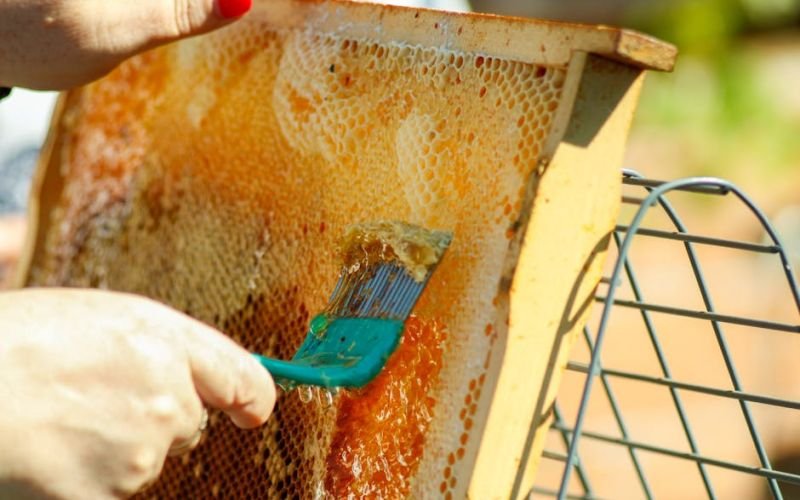
Raw honey is extracted gently, without heat beyond the hive’s natural warmth (think 95°F or 35°C), and it’s usually unfiltered or only lightly filtered, meaning pollen stays put. Pasteurized and filtered honey? It’s basically stripped of everything that makes honey honey, leaving a bland syrup that tastes sweet but does no immune training.
Pro tip: real raw honey often get a little cloudy or crystallizes over time — that’s nature doing its thing. If your honey looks unnervingly clear and perfectly smooth, it’s probably been tampered with.
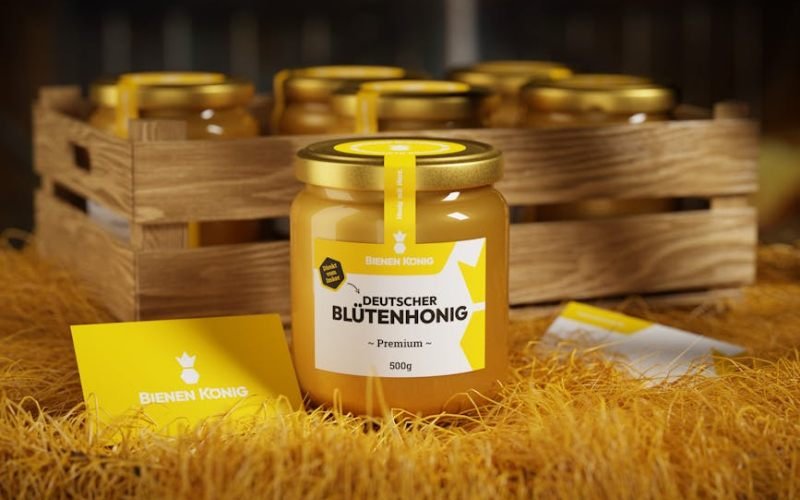
Before you buy, check that label for “raw” and “local,” and if you can, ask your seller about their process and hive locations. The best beekeepers will happily share their methods, as honesty is just part of the buzz. Skip the overly shiny, perfectly uniform supermarket jars if you want allergy benefits.
Timing Your Consumption for Maximum Effect
Taking honey for allergies is like planting a garden — you want to start before the storms hit, giving your immune system time to prep.
Start munching local honey early in the season, ideally before pollen counts skyrocket. Think late winter or early spring — your immune system will thank you for the head start. Jumping in when you’re already sneezing is like trying to stop a runaway train.
Consistency also matters. Daily is the word. Try one to two tablespoons a day, mixed naturally into your routine — maybe in tea, on toast, or stirred into yogurt. Sporadic treats won’t do much; your immune system needs to see the pollen steadily for the tolerance training to stick.
During peak allergy time, don’t slack off — keep that honey coming. Off-season, you can scale back a bit, but sticking to regular doses keeps your defenses ready for the next wave. Make it a routine, and the results will build over time, giving you a smoother, less sneezy spring.
Managing Expectations: It's Not a Miracle Cure
Let’s keep it real: local honey isn’t a magic wand that'll make all your allergy symptoms vanish after one spoonful. For some, it’s a game-changer; for others, more of a gentle helper that reduces symptoms gradually.
If you’re dealing with serious allergies, or have a history of severe reactions, honey shouldn’t be your only line of defense. Think of it rather as a helpful teammate alongside medications, allergy shots, or other treatments recommended by your doctor.
Some people might even react badly to honey itself — not pollen, but other bee-related proteins. Those folks should absolutely chat with an allergist first before diving into local honey therapy. This is especially important if kids or anyone with complex health issues are involved.
Honey's pollen content can vary year to year, and if the honey isn't truly local, it won’t help much. So nurse your patience and expectations — the sweet rewards come with time and the right practices.
Integrating Local Honey into Your Daily Routine
Here’s the good news: making honey a daily habit can be a joy, not a chore. It’s delightfully versatile and fits into breakfasts, drinks, and snacks like a charm. Drizzle it on oatmeal or yogurt, stir it into smoothies, or sweeten your tea — whatever fits your morning groove.
Try pairing honey with ginger or turmeric to kick your allergy-defying routine up a notch. Both are natural anti-inflammatories, and add flavor and pep to your day. Even a pinch of cayenne can clear sinuses with a little spice!
Beyond your body, buying from local beekeepers supports your community’s bees and biodiversity. Their work in maintaining healthy hives and varied local flora helps create a balanced ecosystem — literally strengthening the allergy battlefield around you. When you buy local honey, you’re voting for a greener, healthier world where both humans and bees thrive.
Safety First: When to Avoid Local Honey
A quick safety check: if you have a baby under 12 months, honey is a no-go. Their little tummies aren’t ready to handle Clostridium botulinum spores, which can cause infant botulism. That applies to every kind of honey, no exceptions.
If you’ve ever had severe allergic reactions to bees or honey, consult your doctor before trying this method. Some folks react to bee venom proteins or other components and shouldn’t take the risk.
If you notice hives, swelling, trouble breathing, or any other signs of a serious allergic reaction after consuming honey, seek emergency help immediately. Mild reactions still warrant a visit to your healthcare provider and a pause on the honey experiments. Your health always comes first.
The Environmental Impact of Supporting Local Beekeepers
Buying local honey isn’t just a personal health move — it’s an environmental win too. Healthy bees depend on diverse plants, and that diversity helps spread out pollen release, meaning fewer nasty pollen spikes that overwhelm allergy sufferers. Think of it as nature’s own “pollen diffuser.”
Local beekeepers foster sustainable practices, keeping hives in the same region instead of trucking them cross-country to chase crops. This keeps bees happier, healthier, and better nourished by native plants — leading to stronger, more resilient pollinators. Your choice to buy local beeswax jars fuels a cycle where bees, plants, and people all flourish together.
Diverse landscapes beat boring monocultures every time. Big farm fields can act like pollen factories, dumping massive, concentrated clouds on our noses. But patchy, wildflower-studded areas supported by local beekeepers help break that pollen up into manageable bits. Supporting local honey means supporting a more natural and allergy-friendly environment all around.
Conclusion: Sweet Relief for Seasonal Sufferers
Local honey isn’t just your grandma’s old remedy — it’s a genuinely smart, natural way to give your allergy season a fighting chance. With raw, local honey, you’re gently training your immune system, flooding it with tailored pollen so it stops flipping out unnecessarily. Plus, you get antioxidants, immune support, throat relief, and the warm fuzzy feeling of helping your local environment.
Make sure you’re choosing raw and local — this is the real deal that keeps pollen and helpful enzymes alive. Then, commit to a daily habit (not a once-in-a-while treat) and give your immune system time to catch up.
Don’t wait for the first sneeze! Head to your nearest farmer’s market or track down a neighborhood beekeeper. Ask questions, smell the honey, and bring home a jar of that golden goodness. Whether drizzled on your morning oats, twirled in tea, or straight from the spoon, local honey has the potential to make allergy season something you can handle.
Sweet freedom from seasonal sniffles is just a spoonful away — why not start today?