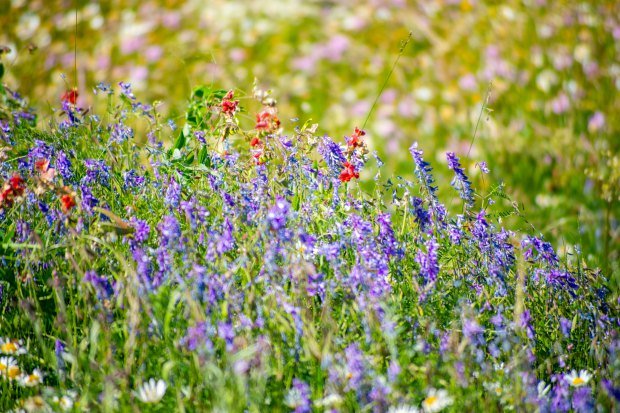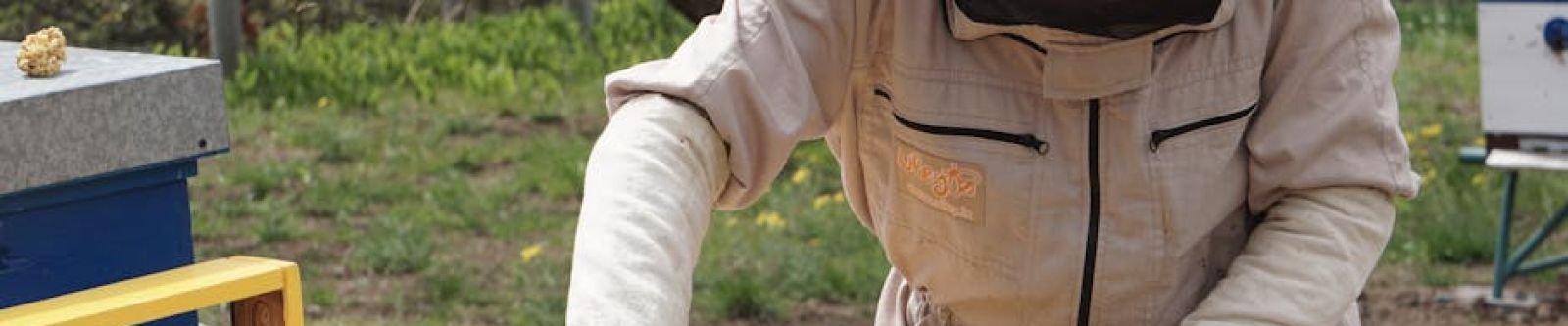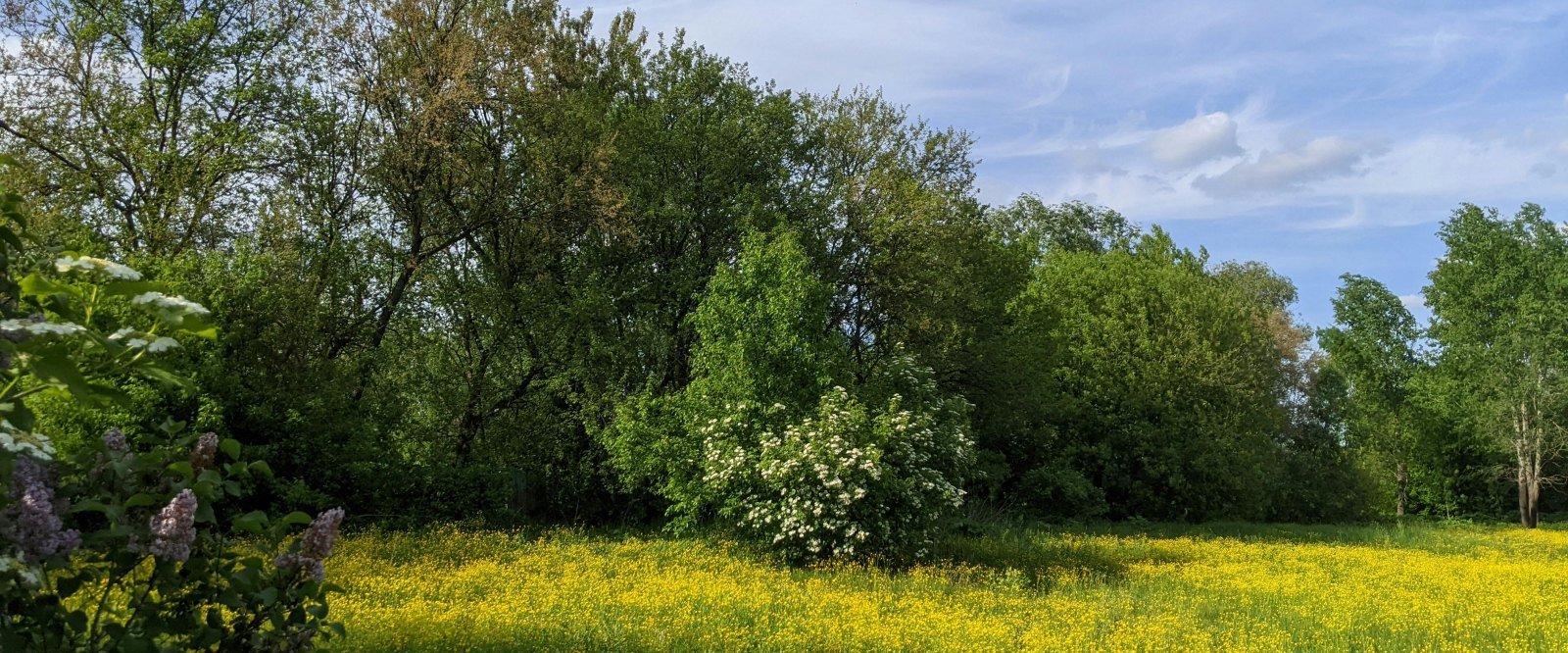
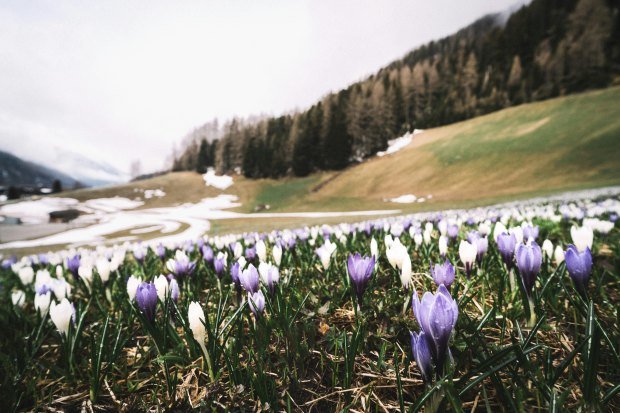
Spring brings a unique energy to the landscape around you. The air feels lighter, the wildflowers are just beginning to push through the soil, and the local ecosystem is waking up from its winter slumber. This is the moment when nature offers its sweetest gift: the first harvest of raw local honey. While you can find honey year-round, waiting until spring allows you to capture the very first nectar flow from blooming wildflowers and early crops. This isn't just about taste; it is about securing the freshest batch available before the heavy summer processing rush takes over.
When you choose to buy honey in the spring, you are securing a product that has not been sitting in a hive for months like winter stores. The bees have just finished their first major bloom, and the honey is harvested immediately after. This freshness factor is the defining characteristic of the season. You are getting the nutrient-rich nectar that the bees collected when the world was just starting to bloom.
Beyond freshness, the flavor profile of spring honey is distinct and delightful. You will taste the distinct notes of early spring wildflowers that are often lost in heavier, darker honeys from the summer. Experience a lighter, more floral sweetness that reflects the delicate nature of the season. It is a taste of the land itself, capturing the essence of North Texas in a jar.
Why Spring Is The Golden Season For Raw Local Honey
You might wonder why you should wait until spring to buy honey. The answer lies in the biology of the hive and the environment. Spring brings the first nectar flow from blooming wildflowers and early crops. This is the critical window where the bees are most active and the nectar is most potent. Raw honey from this season retains the most volatile enzymes and pollen because it has not been subjected to the long storage times or high-heat processing that often occurs later in the year.
The Freshness Factor
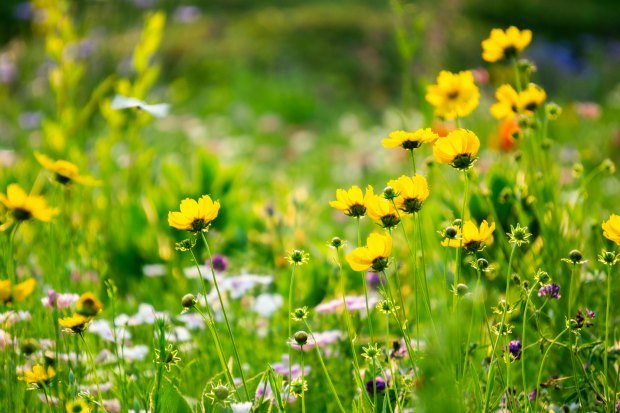
The freshness factor is paramount. Spring honey is harvested immediately after the first major bloom. It has not been sitting in a hive for months like winter stores. This means the volatile compounds that give honey its unique properties are still intact. You are buying the product at its peak, right when the bees have finished their initial foraging run.
The Flavor Profile
The flavor profile changes with the seasons. Taste the distinct notes of early spring wildflowers. Experience a lighter, more floral sweetness compared to heavy summer honeys. This subtle sweetness is a direct reflection of the diverse flora that blooms in the spring, offering a complex taste that is hard to replicate.
How To Identify The Best Raw Local Honey At The Market
Now that you know why spring is special, you need to know how to ensure you are getting the real deal. The farmers market is a treasure trove, but not every jar is created equal. You need to look for clear labeling indicating 'Raw' and 'Local'. Check for visible pollen specks which indicate minimal processing. Ask the beekeeper directly about their harvest timeline. These simple steps will ensure you are supporting a local beekeeper and getting a high-quality product.
Reading The Label
Reading the label is your first line of defense. Avoid honey with added sugars or preservatives. Look for specific geographic origins within North Texas. A label that says "North Texas" or lists a specific county is a good sign. It tells you that the bees foraged in your region, ensuring the honey contains the local pollen and enzymes you are looking for.
Visual Inspection
Visual inspection is a quick and effective way to judge quality. Raw honey should be slightly cloudy or contain small particles. Avoid honey that is perfectly clear and runs like water. Perfect clarity often indicates that the honey has been filtered to remove pollen and that the enzymes have been broken down by heat. The slight cloudiness is a sign of life and activity within the honey.
| Feature | Raw Local Honey | Processed Honey |
|---|---|---|
| Texture | Slightly cloudy, may have particles | Often perfectly clear and runny |
| Pollen | Visible specks of pollen | Filtered out, usually clear |
| Crystallization | Crystallizes naturally over time | Often remains liquid due to additives |
| Label | Lists 'Raw' and 'Local' origin | May list generic origin or 'Pure' |
| Taste | Complex, floral, earthy notes | Sweet, one-dimensional, sugary |
The Health Benefits Of Spring Harvest Honey
Once you have your jar, you will want to know why it is worth the trip. The health benefits of spring harvest honey are significant. It offers a high antioxidant content from fresh pollen and natural antibacterial properties to boost immunity. It also provides soothing properties for seasonal allergies, helping your body adapt to the changing environment.
Boosting Your Immune System
Your immune system needs support, especially as the seasons change. Enzymes in raw honey fight off colds and flu. Pollen helps train your immune system to local flora. By consuming the pollen from the local plants, you are essentially giving your body a map of the local environment, helping it recognize and tolerate the allergens rather than reacting to them violently.
"The enzymes in raw honey are the unsung heroes of your immune system. They work quietly to fight off colds and flu, while the local pollen acts as a gentle training program for your body, helping it adapt to the specific flora of your region."
Natural Antibacterial Power
Raw honey is a natural remedy for many minor ailments. Hydrogen peroxide production in raw honey provides natural antibacterial properties. You can use it for minor cuts and burns to promote healing. The high sugar content creates an environment where bacteria cannot thrive, while the enzymes actively work to clean the wound and prevent infection.
Supporting Your Local Beekeepers And Community
Buying honey is more than just a culinary choice; it is a way to support your local economy and environment. Direct support keeps beekeeping families in business. Local bees are better adapted to the North Texas climate, and buying from them reduces the carbon footprint compared to imported honey. Every jar you buy is a vote for sustainable agriculture and local resilience.
Economic Impact
Your dollar stays in the local community when you buy from a local beekeeper. It supports small businesses and farmers markets. The money you spend goes directly to the family that raised the bees and the farmers who grow the flowers. This creates a ripple effect that strengthens the entire local economy, keeping resources within your neighborhood.
Environmental Stewardship
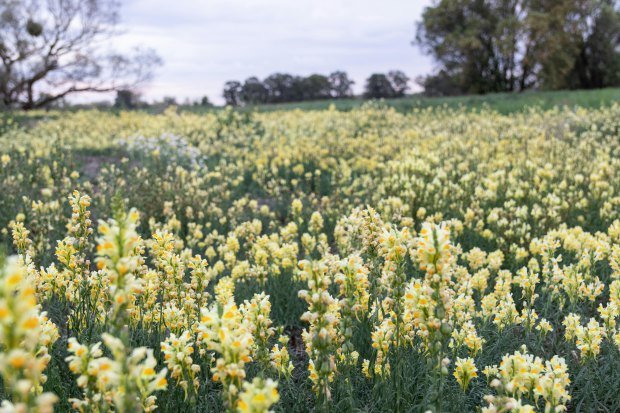
Environmental stewardship is a key part of buying local. Promotes biodiversity in local pollinator habitats. Encourages sustainable farming practices. When you buy local honey, you are incentivizing beekeepers to maintain diverse habitats for their bees. This leads to healthier ecosystems where bees can thrive without the stress of monoculture crops.
Where To Find Spring Honey In North Texas
You now have the knowledge to identify the best honey and understand its benefits. The next step is knowing where to find it. Visit farmers markets in Dallas, Fort Worth, and Austin. Check with local beekeeping associations. Look for roadside stands near blooming fields. These are the places where you can connect directly with the beekeepers and get the freshest product.
Farmers Markets
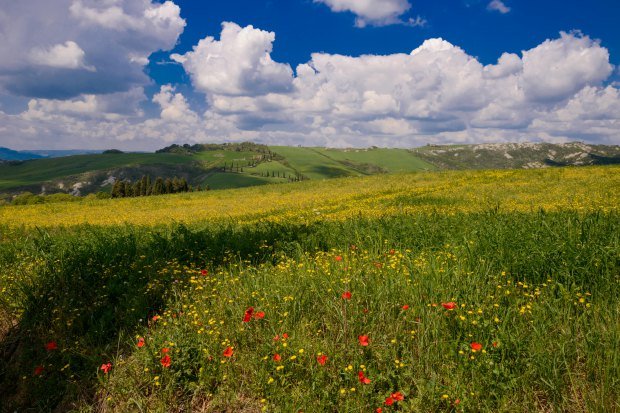
Farmers markets are the heart of the local food scene. Weekly markets in major cities offer a wide variety of products. Seasonal pop-up events in rural areas often feature local beekeepers who are passionate about their craft. These markets are the best place to find raw local honey that has been harvested just days or weeks ago.
Direct From The Hive
For the ultimate experience, visit the apiary. Book appointments with specific farms. Visit apiaries during open house events. This allows you to see the bees in action and meet the beekeeper who cares for them. It is a personal connection that ensures you are getting the highest quality product possible.
How To Store And Use Your Spring Honey
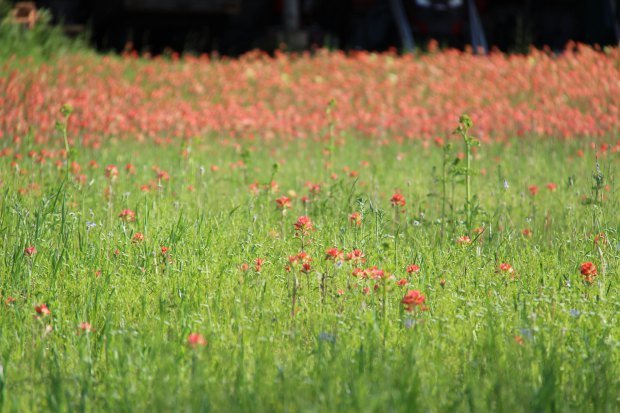
Once you have your honey, you need to know how to keep it fresh and potent. Store it in a cool, dark place. Avoid refrigeration to prevent crystallization issues. Use it within a year for peak potency. Proper storage ensures that the enzymes and pollen remain active, preserving the health benefits you paid for.
Proper Storage
Storage is critical for maintaining quality. Keep away from direct sunlight. Use glass jars to preserve flavor. Glass is non-reactive and does not leach chemicals into the honey. It also allows you to see the beautiful color and texture of the honey, which can change slightly as it ages.
Creative Uses
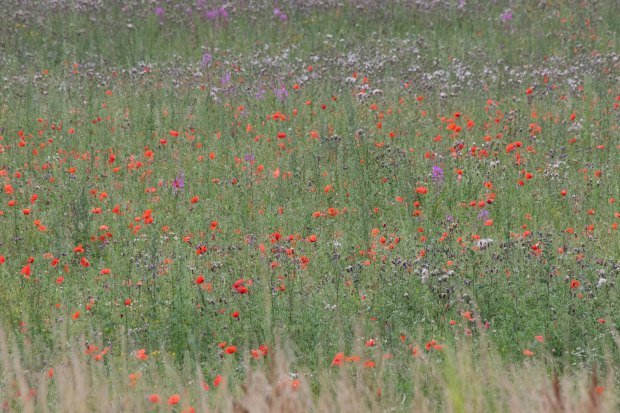
There are endless ways to enjoy your spring honey. Drizzle over pancakes or yogurt. Mix into teas for a soothing remedy. The light floral flavor pairs well with almost anything, from savory cheeses to sweet desserts. It is a versatile ingredient that can elevate any meal.
The Environmental Impact Of Supporting Local Bees
The environmental impact of supporting local bees is profound. It protects local pollinator populations and reduces reliance on monoculture crops. Promotes healthy soil and plant diversity. By supporting local beekeepers, you are contributing to a healthier planet where bees can thrive without the stress of long-distance transport.
Pollinator Health
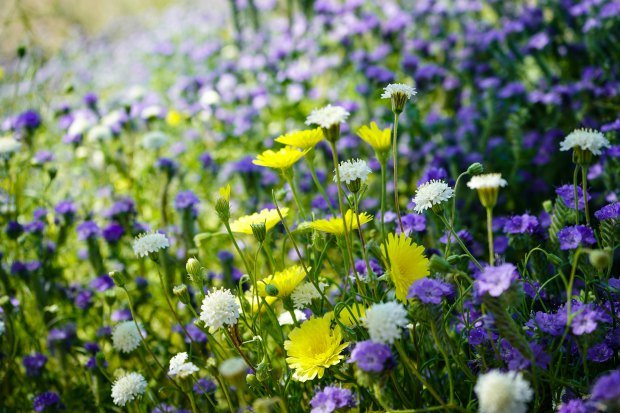
Local bees are less stressed by transport. They carry native pollen essential for local plants. When bees are not transported thousands of miles, they are less likely to suffer from the stress that weakens their immune systems. They are better able to carry the native pollen that is essential for the reproduction of local plants.
Soil And Plant Diversity
Diverse pollination leads to diverse crops. Healthy bees mean healthier ecosystems. When bees pollinate a wide variety of plants, it leads to a more diverse landscape. This diversity supports a wider range of wildlife and creates a more resilient environment that can withstand the challenges of climate change.
Your Spring Honey Action Plan
You are ready to take action. Mark your calendar for the next farmers market. Bring cash or card for direct purchases. Ask questions about the beekeeper's practices. This simple plan will ensure you get the best honey and support the local community effectively.
Step 1: Plan Your Visit
Planning is the first step to success. Check market schedules online. Bring a reusable jar if possible. Knowing exactly when the market is open and having the right container ready will make your visit efficient and enjoyable. It shows respect for the beekeeper's time and effort.
Step 2: Make The Purchase

The purchase is the culmination of your research. Talk to the beekeeper. Pay for your honey. This interaction is where you build a relationship with the local producer. Ask about their harvest timeline and how they care for their bees. This knowledge will deepen your appreciation for the product you are buying.
Step 3: Enjoy The Harvest
Finally, savor the result of your visit. Use your honey in your favorite recipes or share it with friends and family. Every spoonful is a reminder of the hard work that went into producing it. By enjoying the honey, you complete the cycle of support for the local beekeeping community.
Spring is the perfect season for raw local honey. It offers the freshest, most nutrient-rich honey available while giving you the chance to directly support the local ecosystem and community. By visiting your local farmers market, you are making an environmental impact and ensuring that the bees that pollinate your food have a future. The next time you see a jar of honey, remember that the best one is waiting for you at the local market. Go out, support your local beekeepers, and enjoy the sweet rewards of the spring harvest.
Use this quick checklist before you decide:
- Name the result you want from the decision.
- Compare the full cost, not only the obvious payment.
- Choose the next step that gives you clearer information.