North Texas beekeeping isn’t your run-of-the-mill honey operation. Here, the weather can feel like a prankster—one minute it’s humid enough to soak through your clothes, the next it’s scorching dry heat that leaves even the hardiest bees gasping. If you’ve ever hovered by a hive somewhere between Dallas-Fort Worth and the panhandle, you’ve witnessed the delicate balancing act between bees and their unpredictable environment. Managing hives here means more than following a generic calendar—it’s about reading the skies, feeling the soil, and learning how every twist of weather shakes up your honey harvest. The locals—both bees and beekeepers—have to roll with punches that don’t land anywhere else. This isn’t just nature; it’s a wild dance that shapes every drop of liquid gold you pull from the comb.
Typical beekeeping checklists won’t cut it. Drought, sudden deluges, temperature swings—they don’t wait for a schedule. But the upside? This variability also gifts you with some of the richest, most complex honeys out there. When one flower fails, another steps in. Knowing when to sit tight or when to move your hives can make or break the season. Ready to see how weather controls the honey buzz in North Texas? Grab your smoker, and let’s navigate the unpredictable climate—because here, the harvest follows the forecast.
The Unique Honey Landscape of North Texas
North Texas isn’t your typical honey country. It sits right where dry, western winds tussle with humid air rolling in from the Gulf—a stand-off creating a weather cocktail that flips on a dime. The climate here wears many hats: semi-arid heat, humid subtropical moisture, then back to dry spells. This wild mix makes the local flora—and their sweet nectar—a shifting snapshot from year to year.
Why does this matter? Because your bees’ pantry depends on it. Long droughts? Nectar vanishes, pollen hides underground, bees go hungry. But rain comes? Suddenly, blooms pop up like magic, and honey flows start again. Picture the landscape as a juggling act—you never quite know which blooms will stick around. Because of this, savvy beekeepers often chase the blooms, shifting hives from one patch to another, finding the sweet spots where flowers thrive in a given season.
Temperature? It’s the beads on your survival necklace. When it’s too cold, strike “foraging” from the to-do list. Too hot or humid, and your bees sweat buckets just trying to keep the hive comfy. Rain? A double-edged sword. Too little, and plants shrivel. Too much, you wipe out flowers and wash away nectar before the bees can get a taste. These elements aren’t solo players—they’re part of a symphony that shapes whether your honey glass is half empty or blissfully full.
In North Texas, weather isn’t background noise—it’s the loud conductor calling the shots for your hives.
Forget relying on midwestern or southern playbooks. Here, the beekeeper has to become a local weather whisperer, watching skies, feeling moisture in the soil, and wrapping honey strategies around nature’s quirks. When you sync your hive moves and management with this rhythm, the wild weather will start to feel a bit more like an ally than a buzzkill.
Defining the Climate: Heat, Humidity, and Drought
Get ready to sweat—North Texas summers are known for their sweltering heat that often bursts past 95°F (35°C) with humidity clinging like a damp blanket. For bees, this isn't just uncomfortable; it's exhausting. They’re like us on an unbearably hot day—panting, searching for shade, and trying to stay hydrated. Inside the hive, things get heated fast. To keep their home cool, bees expend tons of energy fanning wings and evaporating water, juggling hive temps to prevent disaster. Even a small dip in nectar flow during these intense spells can quickly spiral into trouble for the colony.
Then there’s drought—a silent, creeping threat. When the ground dries out and grasses brown, native plants stop secreting nectar, starving your colony’s food supply. Water shortage doesn’t just hit hydration targets; it practically shuts down the colony’s cooling system. Bees need water like we need mint juleps on a summer afternoon—not just to drink, but to regulate hive temperature. Without enough of it? Heat stress and dehydration set in, honey harvests tank, and colony health dives.
And don’t forget those summer storms. In North Texas, sudden thunderclouds can whip up powerful winds and torrents, blindsiding hives and scattering bees far and wide. Imagine your bees out for a picnic getting drenched and blown off course—chaos! Also, the problem: just before the storm hits, bees cluster tight inside the hive, vulnerable to cold and wet. All it takes is one surprise squall to erase hours of foraging hard work—and stress your bees to their breaking point.
| Climate Factor | How It Hits the Bees | What You Can Do |
|---|---|---|
| Scorching Heat (>95°F) | Bees reduce foraging; need loads of water; heat stress. | Throw up shade; keep water flowing; boost hive airflow. |
| Sticky Humidity | Harder for bees to cool; risk of fermented honey. | Open vents; watch moisture levels closely. |
| Back-to-Back Drought | Nectar dries up; pollen scarce; water cut-off. | Supplement feed; move hives where rain sticks. |
| Sudden Storms | Bees scattered; hives damaged; flowers soaked. | Secure equipment; check hive damage fast; account for stragglers. |
Taking care of bees here means looking ahead, not just reacting. Set up shade before the heat wave hits, have water spots ready—not as an afterthought but as part of your daily routine. Because in Texas, weather’s rough edges win favor when you’re prepared.
The Critical Spring Window: When the Flowers Bloom
Spring in North Texas is like striking a match in the dark—it can light up rapidly or sputter out before the bees even get going. From late February to April, the “green-up” sets the stage for the year’s honey production, as clover, goldenrod, and wildflowers burst into bloom. This window is short and, honestly, nail-biting for beekeepers. Temp swings here don’t play nice; a warm spell can trick the blossoms into opening early—then a late frost crashes the party and decimates the nectar buffet.
That freeze is no joke. Imagine having your pantry stocked and ready, then overnight the store is shut down with no warning. Bees scramble, forced to burn through their reserves just to make it through. The colony’s growth stalls, and the whole season feels like it’s been hit by a hiccup. This is why watching the buds and blooms, praying they dodge frost, is a springtime rite of passage.
Thankfully, modern beekeeping gives you tools beyond the weather guesswork—monitoring soil moisture, logging rainfall, and diving into historical weather patterns all help you decipher when Mother Nature’s nectar show might kick off. Understanding when crops like cotton or sorghum flower gives you a leg up on timing your hive moves and feedings.
When spring rolls around, time is your most precious resource. Lose a day of bloom, and your bees lose days of growth.
Watch closely: swollen buds, steamy soil, warming days—all little signals pointing toward nectar’s arrival. Blend old-school observation with tech smarts, and you’ve got a jump on the season before that first bee lifts off for its maiden forage.
Summer Challenges: Heat Stress and Dehydration
Summer in North Texas means hot isn’t hot enough. Triple-digit temps become standard, and with the blistering sun comes the inevitable slowdown in bees’ busy dance around the flowers. When it’s that hot, bees aren’t dumb—they tuck in tight to avoid overcooking themselves, resulting in a frustrating pause just when nectar flows hit their peak. It’s like grocery shopping in an empty mall: all the goods are there, but the shoppers have packed up for the day.
Water demand shoots through the roof. Bees spray water inside the hive to cool things down, turning the hive into a miniature evaporative cooler. Without accessible, clean water, your colony faces a full-blown water emergency—think shrinking populations, ill queens, and low resistance to pests and diseases.
Here’s where your beekeeper know-how shines. Set up multiple water stations with landing spots made from pebbles or marbles, so bees can sip safely. Shade your hives with cloth or nearby trees—blocking direct sun goes a long way. Some Texas beekeepers get creative with wet cloths or pans near hives, enticing bees to fetch moisture more easily. These little hacks can keep your hive’s internal weather manageable even during brutal heat domes.
| Summer Challenge | What It Does Inside the Hive | What to Try |
|---|---|---|
| Intense Heatwaves | Hinder foraging; metabolic slowdown. | Shade and ventilate aggressively. |
| Limited Water | Risk of dehydration; cooling fails. | Multiple water sources with safe landings. |
| Heat Domes | Queen sickness; brood mortality spikes. | Cooling techniques and supplemental feeding. |
| Dust & Pollen Particles | Stress respiratory systems. | Provide water that allows bee mud baths. |
Summer isn’t just endurance—it's about making the hive a little cooler, a little lighter, and a lot better hydrated. Keep those waterers filled and shade nets hung, and your bees might just make it through with plenty of honey to show off.
The Fall Surge: Goldenrod and Aster Flows
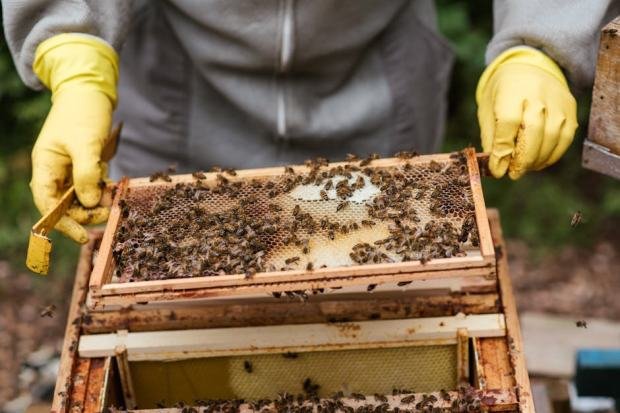
When the summer heat finally eases, North Texas greets beekeepers with the “Fall Surge”—a sweet encore featuring goldenrod, asters, and some late-season crops ready to flood your hives with nectar once more. This second wave isn’t just nectar; it’s a comeback story for colonies worn down by summer’s brutal pace. The honey harvested here tends to be darker, richer, and full of that spicy, complex character that honey lovers drool over.
Fall rains can make or break this bloom party. Unlike the spring’s fickle rains that sometimes wash nectar away, autumn showers usually nurture these wildflowers just right, pushing a bountiful nectar flow. Timing is everything, though—a dry spell in late September can slam the brakes, leaving bees with scrimped stores before winter.
But here’s the clincher: fall won’t save a colony that staggered through the summer starving or sick. This revival only works if the hive spent the season well-fed and cool. Take care of your bees in July and August, and they’ll reward you with a strong push come September.
Think of the fall flow as your hive’s final exam—it tests every decision you made through summer.
Tracking crops like sorghum and cotton as they bloom is your secret weapon. Knowing when and where these plants hit their flowering stride lets you place your hives for maximum nectar gain—and maximum honey haul.
Winter Dormancy and Cold Snap Survival
North Texas winters are like that quiet relative who seems calm but can still surprise you—mild most days but capable of biting cold nights. When temps dip near freezing or below (sometimes as low as 10°F/-12°C), bee colonies huddle close, turning themselves into living heat generators to protect the queen and brood. This cozy cluster burns honey fast, so insulation and hive prep are critical.
Cold weather brings another sneaky issue: condensation. Warm air inside meets cold hive walls, creating moisture that settles like a fog inside your bees’ home. That dampness invites mold and can turn honey into a brewing disaster. Since bees hate wet and moldy places—imagine trying to nap in a soggy sleeping bag—it’s a top priority to ventilate just enough to let moisture escape without chilling the cluster.
Bubble wrap or specialized hive blankets can add that extra barrier against cold while preserving airflow. If a cold snap’s forecasted, boosting colony energy with a little sugar syrup can be the life jacket that keeps the cluster thriving.
| Winter Worry | Threat to Hive | How to Fight It |
|---|---|---|
| Freezing Nights | Starved bees; lost queen | Insulate hives; plenty of honey stored. |
| Winter Condensation | Mold; honey fermentation | Proper ventilation; moisture barriers. |
| Cold Spells | Cluster breaks down | Extra blankets and blocking wind. |
| Moisture Traps | Damp insulation; sick bees | Elevate hives; maintain airflow. |
Winter’s a waiting game, but a busy one. Keep your eyes peeled, your hives dry, and your colonies well-fed—and come spring, your bees will bloom right along with the flowers.
Pests and Diseases: Climate as a Catalyst
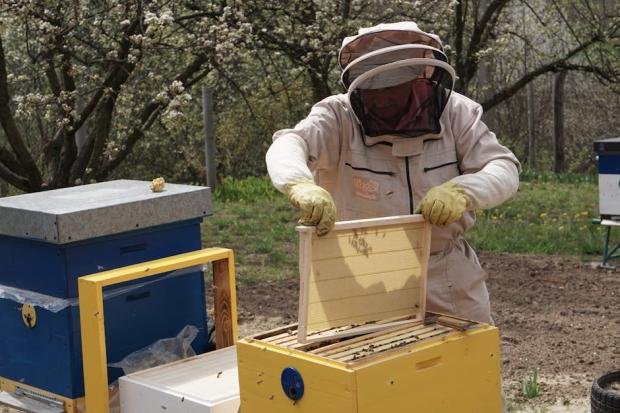
Hot, humid summers in North Texas aren’t just rough on bees—they’re prime breeding grounds for pests like Varroa mites and diseases like American Foulbrood. When the heat and moisture turn up, mites multiply faster than gossip at a backyard barbecue, and fungal infections get a cozy welcome mat. Plus, stressed bees with worn energy reserves become sitting ducks.
Throw in drought stress and nutrition shortages, and you’ve got colonies with immune systems running on empty. Those unhappy bees don’t just feel grumpy—they become vulnerable to an onslaught of diseases, which can knock a hive out faster than a surprise cold snap.
Success here means ditching the rigid one-size-fits-all treatment schedule. You need to tune in to your colony’s rhythms and the local climate’s pulses. Treating mites during a heatwave when the bees are hiding inside? Wasted effort. Waiting for the perfect cool window with active brood? Smart moves.
Climate is like the puppet master pulling pest strings in your apiary.
Being proactive, adaptable, and vigilant is your best guard against parasite and disease outbreaks. Keep a keen eye on your hives, track weather patterns, and shift treatments based on what nature decides, not just the calendar.
Crop Diversity and Nectar Sources
North Texas honey tastes like a patchwork quilt stitched by the flowers of region crops. Cotton honey whispers sweet and mild, sorghum delivers a dark molasses punch, and pecan blossom honey offers nutty warmth that happily lingers. Each crop adds a chapter to your honey’s unique story.
Climate change is shaking up that story a bit, with planting dates shifting and the bees sometimes out of sync with blossoms. You might face nectar scarcity because crops bloom before your colonies hit their stride, which can be as frustrating as missing the opening act at your favorite concert.
One way forward is getting friendly with native wildflowers—they’re the hometown heroes adapted to Texas’s weather tantrums. They bloom over longer stretches and need less water, so they’re a steady nectar source when crops falter. Combo these with your existing crops, and you’re building resilience for your bees—and your honey’s blockbuster flavor.
| Crop Type | Bloom Time | Taste Profile | Climate Toughness |
|---|---|---|---|
| Cotton | Spring-Early Summer | Mild, sweet | Heat-sensitive |
| Sorghum | Late Summer-Fall | Dark, robust | Drought-tolerant |
| Pecans | Fall | Rich, nutty | Hardy native |
| Native Wildflowers | Variable | Complex, floral | Super-adapted to extremes |
Mixing your nectar portfolio isn’t just a flavor trick—it’s a survival plan. You hedge your bets against one bad bloom season and help support the entire ecosystem.
Monitoring Tools for the Modern Beekeeper
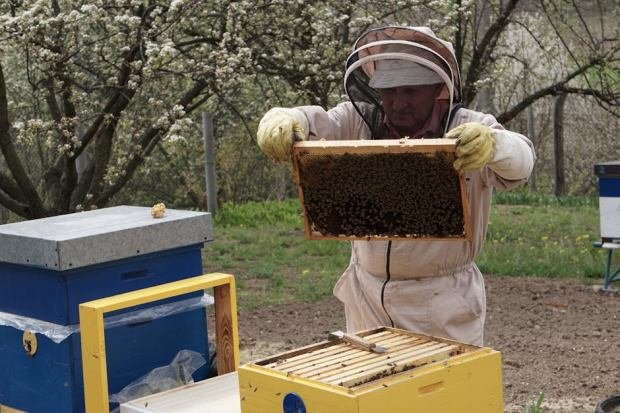
Gone are the days of guessing whether the rain will hold or when the humidity might kill your harvest. Now, you can harness the power of local weather stations, apps, and IoT sensors to keep tabs on temperature, moisture, and rainfall in real-time, right from your phone. Imagine knowing as soon as humidity spikes and being able to tweak hive ventilation before your bees start sweating inside. That’s a game changer.
Add hive scales and internal thermometers to track honey weight and brood temperature, and you’re basically managing your apiary with a GPS. These tools help you pinpoint exactly when honey’s ready to harvest and foresee hive stress points before they turn into crises.
Don’t forget about keeping your own weather log too. Jot down bloom dates, frost events, rain patterns—and suddenly you’re more than just a beekeeper—you’re a local climate expert, tailoring your strategies to your county’s quirks like a pro.
Adapting Hive Management to Weather Extremes
Texas weather loves to keep you on your toes, and your hive management should do the same. In scorching heat, open up the hive for more airflow by removing tight covers or swapping in screened bottoms. When the cold hits, wrap it up—bubble wrap, blankets, or anything to trap that precious warmth. But don’t smother your bees; ventilation remains crucial to avoid moisture traps.
Unpredictable temps also spike swarming. Bees hate being too crowded or stressed, and sudden weather swings just stir the pot. Stay ahead by keeping space open, monitoring the queen’s laying patterns, and splitting your hive proactively—like chopping off a branch before it breaks.
Feeding schedules should flex with the weather, too. Drought dries up flowers and nectar fast. When flow stops, hit your bees with supplemental feeds—syrup and pollen patties—to keep spirits and stores high. Careful not to go overboard, though; too much feed can invite robbers or fermentation.
Harvest Timing: Reading the Signs of Readiness
Harvesting honey in North Texas is more of an art than we’d like to admit. Humidity’s always lurking, threatening to ferment your sweet gold if you pull it too early. You have to wait for the bees to finish capping the frames—those wax covers are like a quality seal that lets you know the nectar’s been concentrated and dried out just right.
Look for a solid wall of caps and bees returning empty-handed—clear clues that the flow’s done and honey’s ready. Even with fickle weather, bees don’t fake this; nature’s their timer.
Jump the gun, and you risk sticky, sour honey that won’t store or sell well—not to mention the chaos when fermented honey spoils inside the hive. Patience pays off big time here.
Storing and Processing: Climate Control for Quality
Humidity is a honey thief nobody talks enough about. North Texas’s sticky air can sneak into your extracted honey and wreck storage by causing crystallization or fermentation. The fix? Keep honey in a temperature-controlled room, ideally between 55°F and 65°F (13°C–18°C), with low humidity. This temp sweet spot keeps your honey fluid and fresh.
Post-extraction, check moisture content and strain carefully. If honey feels too wet, consider air-drying it in a cool spot or pull the reins on processing until it’s just right.
Shipping honey in a Texan summer? Use insulated packaging or ice packs to prevent heat damage during transit. Your customers deserve liquid gold, not a jar of crystallized goo.
Building Resilience: Long-Term Strategies for Beekeepers
Beekeeping in North Texas is a marathon, not a sprint. Building resilience means planting drought-tough flowering plants and having apiaries scattered across different microclimates. If one site suffers under drought or a heatwave, you can pivot to another spot where conditions are kinder.
Local agricultural extensions are your best friends—these folks have their fingers on the pulse of climate shifts and crop trends. Work with them, soak up their data, and adjust your game plan accordingly.
Have a business plan that expects the unexpected. Some years will be bumper crops, others will test your nerves. Diversify income streams if you can—selling queens, bees, or equipment can cushion the lean years and keep you in the game.
Conclusion: Embracing the North Texas Variable
Mastering honey production in North Texas means treating the weather the way a chess player treats their opponent—thoughtfully, strategically, and always a few moves ahead. From volatile spring rains to punishing summer heatwaves, each challenge is an invitation to learn and adapt.
Don’t dread the weather’s quirks—embrace them. Let them push you to innovate, observe more thoughtfully, and respond with an open mind. Your bees will thank you with flourishes of honey that taste like no place else but North Texas.
Want to get in on the local buzz? Join a North Texas beekeeping group or subscribe to regional weather alerts—they’re gold mines of shared wisdom and timely info. Because in a landscape this wild, you’re never alone. Together, we keep the hives happy and the honey flowing.