Understanding the Sweetness of North Texas Honey
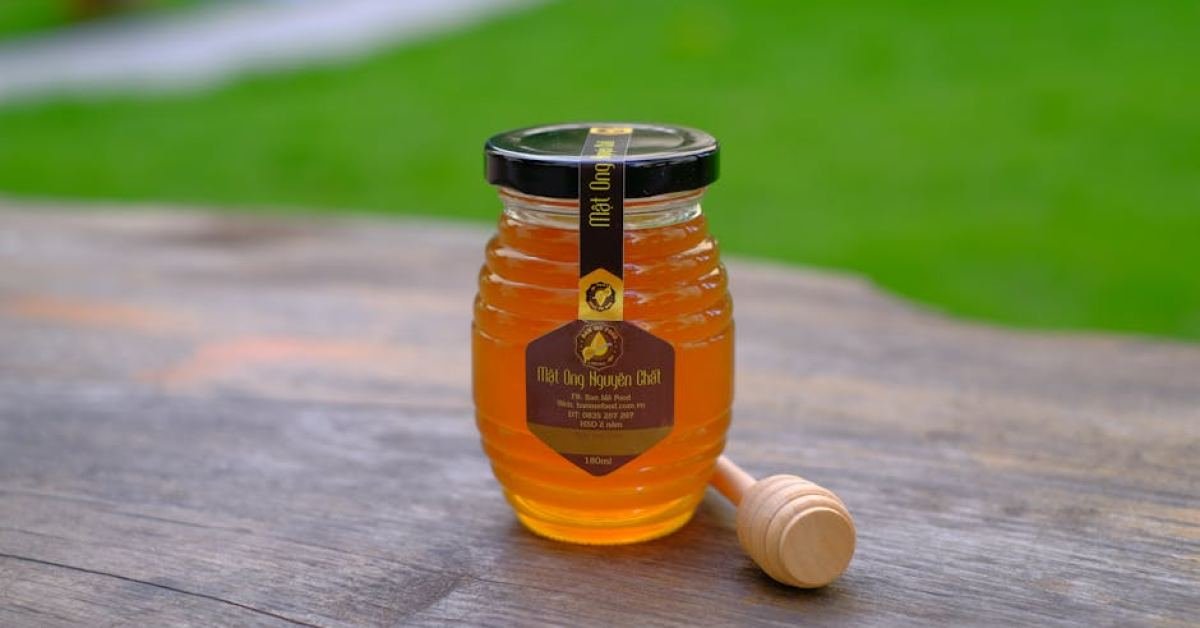
Local honey is like a liquid snapshot of the land itself. North Texas is a patchwork of ecosystems—from the limestone hills of the Hill Country to the sprawling urban plains around Dallas and Fort Worth—each boasting its own lineup of wildflowers and plants that shape the flavor bees pack into every jar. Take the Bluebonnet, for example. When spring rolls in, the fields turn a stunning shade of blue thanks to Lupinus texensis. The honey born from these blooms isn’t your run-of-the-mill sweet stuff; it often carries a rich, slightly bitter or herbaceous kick that sets it apart from that generic supermarket syrup. Then there’s the Prickly Pear cactus, which thrives in the drier Hill Country. The honey here has a mineral-heavy tang and deep amber glow that tastes like sunshine and desert soil in a spoonful.
Calling honey "local" doesn't just mean it was made nearby; it means the bees—and the plants they visit—are part of a unique dance tied to place and season. The bees in North Texas forage on native wildflowers, crops, and trees, which means the honey changes with the blooms. If you get honey harvested in Denton County during spring, you're tasting that year’s bluebonnets and clovers. Come fall, the flavor shifts with blackberries and persimmons. That variability is a badge of authenticity; mass-produced honey wipes out these nuances to create a bland, uniform sweetness.
But getting a jar of this local gold isn’t easy. North Texas beekeepers have to battle drought and blistering heat, both of which can seriously shrink nectar supplies and slow the bees’ work. Think about it: no flowers, no honey. Bees might have to go further just to find a few drops of nectar, meaning less honey and a more intense buzz for the hive. All of this means that every jar you buy supports a small victory over tough weather and a hardworking beekeeper. Plus, bees that put in extra effort create honey with a richer, more intense flavor. So when you scoop local honey onto your toast, you're not just sweetening your breakfast—you’re tasting a season of perseverance.
Why Buying Local Matters for the Region
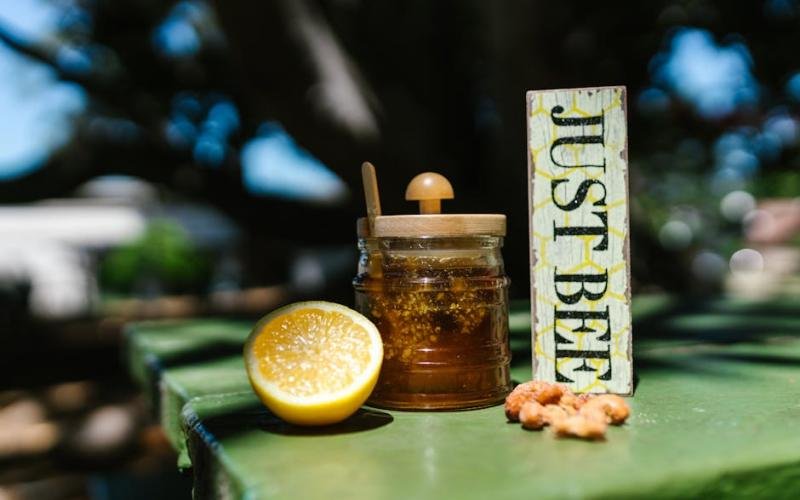
Sure, honey tastes great, but buying local honey does more than brighten your morning—it’s a move that helps your community and the environment thrive. When you buy from a small North Texas beekeeper, your dollars stay closer to home. These folks aren’t churning out honey by the tanker load—they’re families and farmers who pour their sweat (and sometimes stings) into their craft. Your purchase keeps these small businesses afloat, supports local jobs, and helps keep apiaries buzzing through tough seasons.
Beyond the wallet, there’s a bigger payoff for the planet. Beekeepers in the region aren’t just harvesting honey—they’re guardians of biodiversity. They tend wildflower habitats, plant pollinator-friendly gardens, and lobby for the kinds of policies that protect native bees and flowers. Unlike factory farming with endless rows of corn or soy, local bees can feast on a buffet of wildflowers, each providing varied nutrients essential for healthy hives. When bees forage on this rich menu, the surrounding ecosystem flourishes—including birds, butterflies, and the soil. By buying local honey, you’re supporting a network that helps keep this whole balance intact.
If you’ve ever caught hay fever, you might have heard that local raw honey can help with allergies. That’s no urban legend. Because it contains tiny bits of pollen from plants around you, eating it regularly can gently expose your immune system to local allergens like ragweed or grasses, potentially reducing your allergy flare-ups over time. Keep in mind, this isn’t magic medicine or a substitute for doctor-approved treatments, but the idea is that small doses of pollen in honey might teach your body to chill out a bit.
One more perk: raw, local honey retains natural enzymes and antioxidants. Mass-produced honey often gets heated so hot it loses these goodies (plus its unique taste). Buying from a local beekeeper means you’re getting the good stuff, practically teeming with nature’s own health boosters.
Decoding the Label: What to Look For
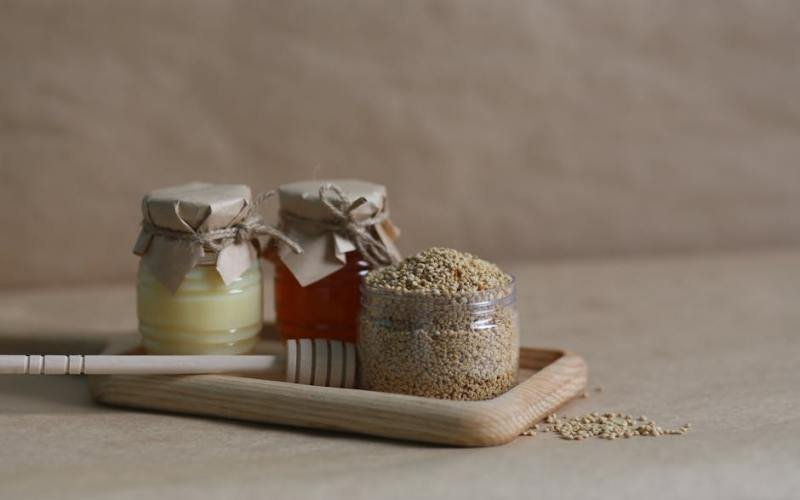
Picking out real local honey can feel like deciphering a secret code. The good news? It’s not as tricky as you might think once you know the clues. First, look for "raw." This means the honey hasn’t been blasted with heat or pasteurization, so all those precious enzymes and nectar flavors survived the journey to your table. Next, check if it says "unfiltered." If honey is too clear and shiny, it often means all the pollen and wax bits that make local honey unique have been filtered out, draining the flavor and texture.
When it comes to origin, be suspicious of fuzzy claims like "Product of the USA" or "World Blend." Those phrases usually mean honey from who-knows-where got mixed into one big bland vat. What you want is a specific state—and better yet, a county or farm name. If you spot a beekeeper’s name or apiary mentioned, that’s a good sign. Beware of generic corporate addresses or labels with no detailed info.
Then there’s the difference between single-origin and blended honeys. Blends mix multiple floral sources to keep flavor steady year-round, but they often sacrifice character. Single-origin—or monofloral—honeys pop with personality, named after the flower that stars in the bees’ diet. Think “Bluebonnet Honey” or “Blackberry Blossom.” These are your treasures, honey with a story you can taste. Trust your nose, too—local honey usually has a robust, floral scent, unlike the flat sugary smell of commercial jars.
The Best Places to Find Honey at Farmers Markets
If you want to skip the guesswork, farmers markets are your honey goldmines. Around Dallas-Fort Worth, the Dallas Farmers Market in Deep Ellum, the Farmers Market at the Arboretum, and the North Dallas Farmers Market showcase some of the area’s finest local beekeepers. Over in Austin, you can hit up the Barton Springs, East Austin, or Zilker Park Farmers Markets for your fix. These markets bloom on weekends, usually mornings, buzzing with fresh produce and the kind of local love that’s hard to find elsewhere.
But don’t just grab a jar and rush off. Chatting with the beekeeper is half the fun. Ask where their hives are—authentic locals can name the exact county or farm, and sometimes they'll even pull out a map. Inquire about harvest dates. Freshness makes a huge flavor difference—honey from last year’s harvest can be okay, but fresh-from-this-year jars are like catching nectar still dripping from the flowers. And don’t forget to ask about the floral source! A straight-up "Texas bluebonnet honey from Collin County" signals you’ve found the real deal. If they toss out answers like "a mix of Texas and Florida," consider that a buzz kill.
Farmers markets are also flexible: buy by the pound, sample a few varieties, or even get custom-labeled jars for gifts. When you find a beekeeper whose honey makes your taste buds sing, keep their contact info. Before you know it, you’ll be anticipating the next harvest like a kid waiting for Christmas.
Visiting Honey Farms and Apiaries Directly
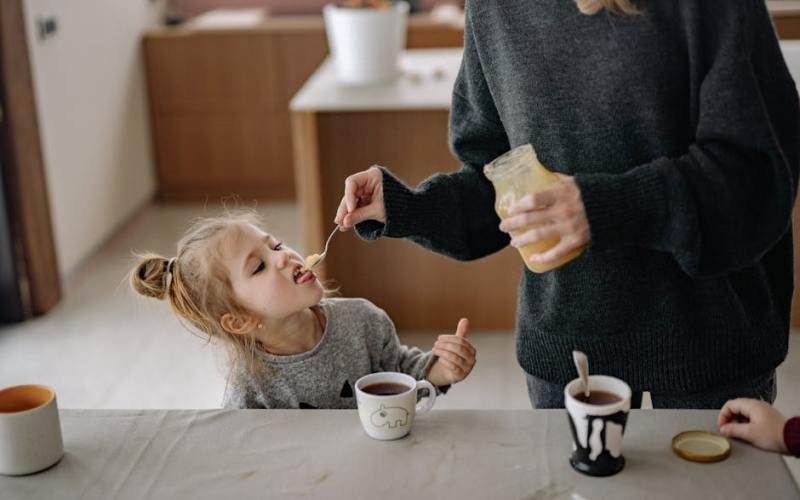
For the full honey experience, nothing beats visiting a honey farm in person. North Texas is dotted with family-run apiaries that open their gates for tours and tastings. Places like Hill Country Honey Farms and Texas Honey Company around Fredericksburg and Waco welcome visitors ready to get up close and personal with the buzz. You’ll get to see bees in action, peek inside hives (with some protective gear, of course!), and maybe even join a beekeeping camp if you have little ones tagging along.
Tasting is another huge perk. Sampling different batches side-by-side helps you figure out if you like the sharp tang of prickly pear honey or the gentle sweetness of blackberry. Plus, the beekeepers love answering questions you didn’t even think to ask—like how last year’s drought shaped the latest harvest. These chats add layers of meaning to every spoonful.
Remember: safety first. Wear light-colored clothes outdoors, skip the perfume, and follow any gear instructions. Visits align with the bees’ active months—usually late winter through early fall—but some farms open during winter to show hive maintenance. Always double-check hours online or by phone.
Discovering Honey in Specialty Grocers and Health Food Stores
Okay, so farmers markets and farm visits aren’t for everyone—or maybe your schedule just doesn’t line up. No worries! North Texas has specialty grocers and health food stores that stock solid local honey options. In Plano, Frisco, and Round Rock, shops like Sprouts Farmers Market, The Vitamin Shoppe (select locations), and various local co-ops often dedicate shelf space to regionally made goodies. In Austin, you’ll find good local honey at Whole Foods and Sprouts too.
Here, the trick is to avoid the fuzzy, supermarket-style jars. Look for honey in the “local” or “artisan” section—small batches, raw, or unfiltered. That signature flaky cloudiness and bits of wax are good! Avoid suspiciously cheap bottles or vague labels. Authentic local honey isn’t a bargain basement honey bear—it’s a premium product, priced for the love, effort, and wild weather risks behind each harvest.
Think of it like choosing wine: you wouldn’t grab the $5 box and expect Bordeaux. Real honey’s price reflects rarity and care, so be ready to pay a little extra for quality and conscience.
Online Marketplaces and Community Groups
If you enjoy shopping in your pajamas or live where rural roads far outnumber farmers markets, the internet has your back. Sites like Etsy, LocalHarvest, and specialized food platforms connect you with North Texas beekeepers shipping fresh honey right to your door. Search terms like “North Texas raw honey” or “DFW local honey” narrow down folks who take pride in their craft. Look for sellers with detailed profiles, glowing reviews, and real photos of their hives or farms—that’s often a sign the honey’s legit.
Social media is another goldmine. Facebook groups like “North Texas Foodies” or “Local Honey Hunters,” alongside Reddit communities like r/Dallas and r/Austin, are buzzing with homegrown tips and trusted recommendations. Ask where to find the best honey, and you’ll get plenty of personal favorites—and warnings about fakes.
Buying online has its quirks, though. You can’t taste or sniff before paying, so always check if sellers offer money-back guarantees or share proof of the batch you’re ordering. If prices seem crazily low for what’s claimed as “pure local bluebonnet,” beware—scams and diluted honey are sadly common online. When in doubt, trust your gut and the vendor’s transparency.
Seasonal Timing: When to Hunt for Honey
If honey were a concert, spring would be the headline act. In North Texas, the prime harvest season runs from February through June—when bluebonnets, clover, and early blossoms flood the fields and nectar flows like a sweet Texas rain. This is when you’ll find those rare single-flower honeys at their freshest and most aromatic, flaunting light colors and fresh floral notes.
After that, the summer sun turns up the heat hard, and bees take a break. The wildflowers fade, so honey production drops. What you find in July and August might be older stock or blends of late bloomers like persimmons, but flavor and enzyme strength can suffer. A word of warning: if summer honey jars look perfectly clear and syrupy, they’ve probably been heat-treated or mixed to look nice, losing some raw honey’s magic.
That said, some beekeepers hold back special late-season honeys—think persimmon or blackberry—that stay fresh when stored right. A good beekeeper won’t dodge questions about age or origin, so don’t hesitate to ask, “Is this from this year’s harvest?” or “What flowers made this honey?” Timing your purchases with the bloom cycle means enjoying the boldest, most regionally true honey possible.
Identifying Honey from Specific North Texas Blooms
Each bloom in North Texas paints honey with its own unique brushstroke. The standout is Bluebonnet honey, the state’s unofficial nectar superstar. Its deep amber color and complex flavors—herbaceous, minty, with a whisper of bitterness—capture the Texas spring in a jar. To get your hands on the real thing, track down beekeepers nestled in bluebonnet-rich spots harvesting during peak bloom.
Prickly Pear honey is for the bold. Harvested from cactus flowers in the Hill Country’s rugged limestone hills, it boasts a rich, earthy flavor with mineral undertones and a warm amber glow—like tasting a sunset. It’s not common but well worth the search if you want something truly local and striking.
There’s also Blackberry honey (late spring to early summer), bursting with sweet-tart fruitiness that pairs perfectly with chocolate or cheese. And don’t forget Pecan honey, a fall harvest favorite with a light golden hue and nutty taste echoing roasted pecans, common in agricultural counties up north and east.
Knowing when these plants bloom and where helps turn your honey hunt into a flavorful adventure.
Red Flags: How to Spot Fake or Adulterated Honey
Fakes and frauds have sneaked into honey shelves, so being a savvy shopper saves you money and stomachaches. One quick clue: real honey crystallizes naturally, slowly turning grainy or thicker over time. If your honey stays clear and runny forever, or crystallizes super fast and evenly, it might be masking syrup or corn sugar. Go ahead—watch how it drips off your spoon. Thin and watery? Not a good sign.
You can even try simple home tests. Drop a bit in water: pure honey should sink and gather at the bottom; impure honey dissolves quickly. Sniff close—real honey usually has a strong, specific flower aroma. If it smells weak or generic sweet, proceed with caution. Even dropping a honeycomb piece in the jar can tell you something—real honey drags it down, watery fakes might cause it to float.
More than anything, trust your gut. If a jar screams “too good to be true,” it probably is. Cheap honey claiming to be “100% local” from some untraceable source is a red flag. The small extra cost for authentic honey buys not just flavor and health benefits, but peace of mind.
Building a Relationship with Your Local Beekeeper
Here’s where the magic really happens: getting to know the people behind the jars. Meeting your local beekeeper turns honey from a product into a story—a handshake, a shared passion, a doorway into the buzzworthy world of bees. Ask about their apiary locations, how they care for their hives, and what inspired them to keep bees. They usually love telling their story—and having a direct line means you’ll know when special batches or limited editions drop.
Want to get really involved? Consider signing up for a honey subscription or joining local beekeeping groups like the Texas Beekeepers Association. These connections often mean early access to rare honeys and save you from missing out on the freshest harvests. Plus, beekeepers are gold mines of cooking tips—like which honey pairs best with cheese or tea, or how fast their honey tends to crystallize.
Turning a simple purchase into a partnership helps build the local food ecosystem and keeps those bees buzzing strong for years to come.
Storing and Caring for Your Local Honey
After all that hunting, you want your honey to stay its best. Keep it tucked away in a cool, dark pantry, away from heat and sunlight. Too much warmth or sun can break down the delicate enzymes that make raw honey so special. Skip the fridge unless you live in “Texas summer oven mode”—cold temps speed up crystallization, turning honey thick and hard to drizzle. Not a disaster, but it can make things messy.
If your jar does crystallize, don’t panic—it’s actually a sign of purity. Simply place the jar in warm water or a very low-temperature oven (think 100°F / 38°C) and stir gently until it’s back to liquid gold. Just say no to microwaves or boiling water—they’ll kill the good stuff.
Use your honey creatively! Drizzle prickly pear honey on grilled veggies or meats, or fold bluebonnet honey into baked goods and tea. Its unique flavors make dishes sing, giving you a little local magic in every bite.
Conclusion: Sweetening Your Life in the Lone Star State
Finding truly local honey in North Texas is more than just a shopping trip; it’s an invitation to taste the land, weather, and hard-working hands that shape this golden gift. With every jar, you savor a story—of bluebonnets blooming, bees battling drought, and families passionate about their craft. It’s proof that "local" isn’t just a buzzword, but a commitment to community, sustainability, and flavor that money can’t mass produce.
The hunt might take a bit of curiosity and elbow grease, but the payoff is sweet—quite literally. The bright complexity of raw, local honey far outshines any bland, factory-made syrup. Supporting your local beekeepers keeps ecosystems humming and economies thriving, while making your breakfast table a little more special.
So lace up those walking shoes, head to your local farmers market this weekend, and say hi to the beekeepers keeping North Texas sweet. Taste the difference, ask questions, and let the Lone Star’s nectar flow into your life. One jar at a time, you’re helping keep this vibrant patchwork of flowers, bees, and people buzzing for generations to come.
Happy honey hunting!