
Unlock Your Radiance: The Complete Guide to Harnessing Honey for Healthy, Glowing Skin
In a world full of skincare gimmicks, harsh chemicals, and fancy ingredients you can barely pronounce, one simple, golden treasure has been quietly loving your skin for thousands of years: honey. Picture standing in a sunlit Roman garden or wandering through the bustling markets of ancient Alexandria, where honey wasn’t just dessert—it was skincare gold. These days, science is finally catching up with what our ancestors intuitively knew. But is honey really a miracle for your skin, or just another buzzword in beauty marketing?
Turns out, honey is a little complex—like your favorite cozy sweater wrapped in a mysterious yet totally charming story. Packed with antioxidants, enzymes, and natural moisturizers, this sticky stuff doesn’t just sit on your skin; it nurtures, protects, and hydrates in ways that many modern products can only dream of. Unlike lotions that wear off faster than you can blink, honey forms a barrier that locks moisture right in while keeping nasties like pollution and bacteria at bay. Ready to see how this ancient nectar can bring out your natural glow, calm irritation, and smooth wrinkles? Let’s get sticky—in the best way possible.
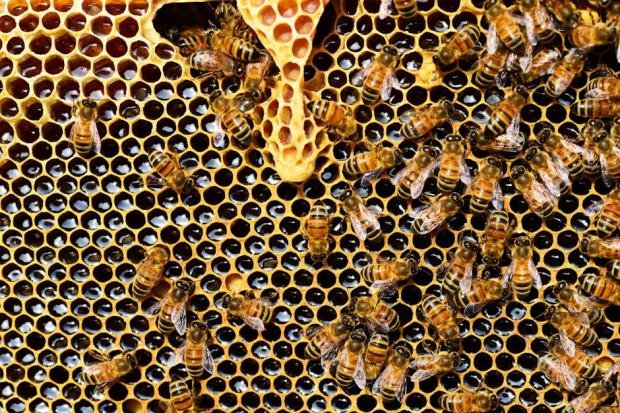
The Ancient Secret to Modern Glow: Why Honey Belongs in Your Skincare Routine
Honey’s skincare story stretches back to the dawn of civilization. Way before white lab coats and fancy microscopes, cultures around the world were swooning over honey’s magical powers. In ancient Egypt, it was the star ingredient in the beauty routines of pharaohs and queens alike. Legend even says Cleopatra soaked in baths of milk and honey—talk about a spa day! Meanwhile, Greek and Roman doctors didn’t just nod in approval; they handed out honey as a cure for wounds, burns, and stubborn skin infections.
“Nature often holds the most profound secrets in the simplest forms, and honey is perhaps the most elegant example of this principle.”
So what gave honey the edge back then, and why isn’t it outdated now? First off, honey’s not your average sweetener. It’s sterile, meaning no nasty germs hitch a ride, and it’s got antimicrobial superpowers that keep bad bacteria in check. Plus, it’s hygroscopic—a fancy word meaning it pulls moisture from the air straight into your skin—so instead of drying you out like some moisturizers do, honey holds that hydration where you need it most.
Science has caught on, too. Researchers confirm honey’s got natural antioxidants and anti-inflammatory magic capable of soothing irritated skin, spurring collagen production, and even reducing fine lines. Basically, the stuff your grandma swore by is backed up by cold, hard science. So when you drizzle a bit of honey into your skincare routine, you’re teaming up with a centuries-old formula that’s seriously tough to beat.
The Science of Sweetness: What Makes Honey a Skincare Superfood?
Honey is far from just a sugary splash—it’s a cocktail of skin-loving compounds doing important work behind the scenes. Antioxidants like flavonoids and phenolic acids swoop in to neutralize free radicals, those pesky unstable molecules from sun, stress, and pollution that make your skin age faster and duller. Think of honey as a knight in shining armor defending your cells from daily damage.
But that’s just the beginning. Honey also packs enzymes like glucose oxidase, which produces low levels of hydrogen peroxide—a natural, gentle antiseptic that battles acne without killing off your skin’s good bacteria. Vitamins B and C, along with amino acids, jump in to support skin repair and strengthen the skin’s protective barrier.
Remember how some moisturizers leave you feeling sticky or greasy? High-quality honey feels different. It forms a breathable, protective film that locks moisture in without clogging pores or suffocating your skin. That’s like having a moisture-loving best friend who also happens to be a shield against irritation and breakouts—double duty at its finest.
“Think of honey not just as a moisturizer, but as a repairman for your skin's defense system.”
When applied, honey creates a mini oasis on your skin. Its osmotic pressure sucks water right out of harmful bacteria, leaving them high and dry (literally starving them). At the same time, honey pulls moisture into your skin cells, plumping them up and smoothing fine lines. The result? Skin that glows with health, softness, and a bit of that natural honey glow.

Understanding the Types: Raw vs. Processed and Which One Works Best
Here’s the scoop: not all honey is equal, especially when it comes to skincare. Raw honey is like the artisan version—straight from the hive, minimally filtered to keep all the good stuff intact: enzymes, pollen, antioxidants. Processed honey gets the factory treatment—heated and filtered so it looks pretty and pours easily, but much of its healing power is lost in the process.
For glowing skin, opt for raw, unfiltered, or cold-pressed honey. Avoid blends, sugary “natural flavorings,” or anything that sounds like it’s hiding additives. Your skin wants real honey, not impostors.
Different types bring different perks, too:
| Honey Type | Best For | Key Properties |
|---|---|---|
| Manuka | Acne, Sensitive Skin | High antibacterial effects, heals wounds |
| Clover | Dry, Dull Skin | Gentle hydration, soothing, budget-friendly |
| Orange Blossom | Aging, Uneven Tone | Potent antioxidants, brightening, firming |
| Raw/Unfiltered | All Skin Types | Maximum enzyme content, natural pollen |
Look for certifications like Organic or Bee Friendly to ensure your honey isn’t just good for your skin but also kind to the bees and environment. Bonus points for brands who tell you where their honey comes from—transparency means trust.
Your Topical Honey Toolkit: Best Products for Every Skin Type
If you’re not ready to DIY everything yourself, no worries. The beauty world has stepped up, with tons of products featuring honey playing the starring role. Dry skin? Hunt down honey-based cleansers and toners packed with hydrating partners like glycerin or hyaluronic acid. Oily or acne-prone? Manuka or raw honey serums and spot treatments can calm breakouts without turning your face into a desert.
Got sensitive skin? Look for fragrance-free balms and creams with honey at the top of the ingredient list—the gentler, the better for irritation-prone skin.
“The best honey product is one where the ingredient list tells a story of purity and potency.”
Keep an eye out for honey sleeping masks that let this golden nectar work overnight, or exfoliants that glide off dead skin gently thanks to honey’s natural enzymes—no gritty scrubs needed. A little research goes a long way; brands that share where and how their honey is sourced usually mean business when it comes to quality and ethics.
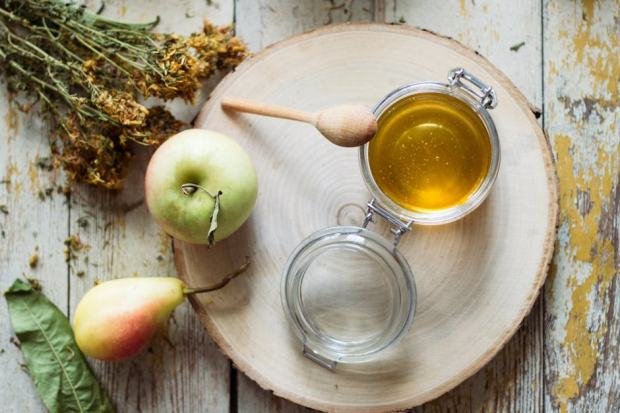
DIY Magic: How to Make a Simple and Effective Honey Face Mask at Home
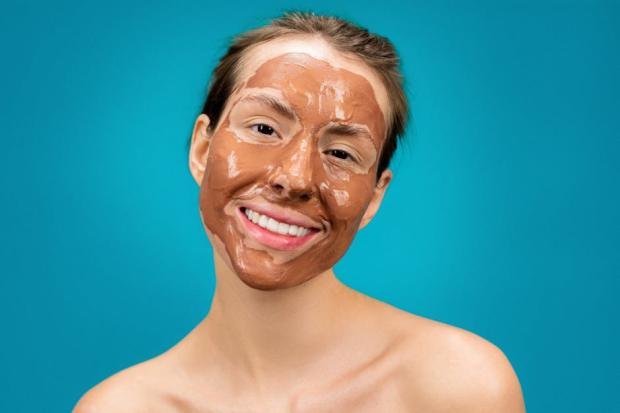
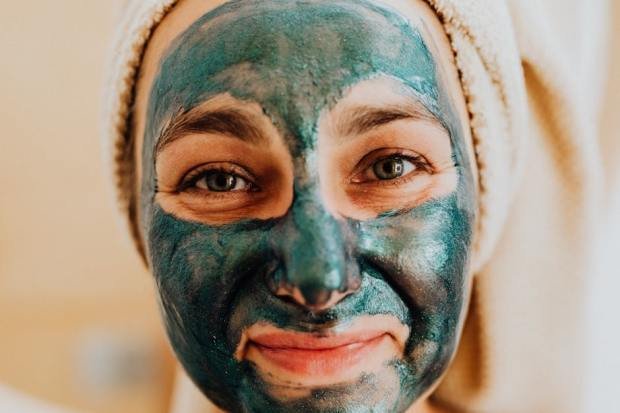
Making a honey mask is almost as satisfying as licking it straight from the jar—and way better for your face. At its simplest, grab a tablespoon of raw honey and slap it right on clean skin. For dry skin fans, mix in a teaspoon of plain yogurt or a few drops of olive oil to supercharge hydration. Dull complexion? Sprinkle in a pinch of turmeric for a little brightness or add a tablespoon of finely ground oatmeal to gently exfoliate.
Spread it evenly, avoiding your eyes, and kick back for 15–20 minutes. When rinsing, use lukewarm water and give your face a light circular massage to benefit from honey’s tender exfoliation. The payoff? Skin that’s soft, plumped, and glowing.
“Patience is the key to natural beauty; let the honey work its magic while you relax.”
Pro tip: always start with fresh honey, don’t smother your face like it’s a pancake (your skin needs to breathe), and patch test if you’re prone to sensitivities. The beauty of honey masks is you can tweak ingredients based on how your skin’s feeling—talk about skincare on your terms.
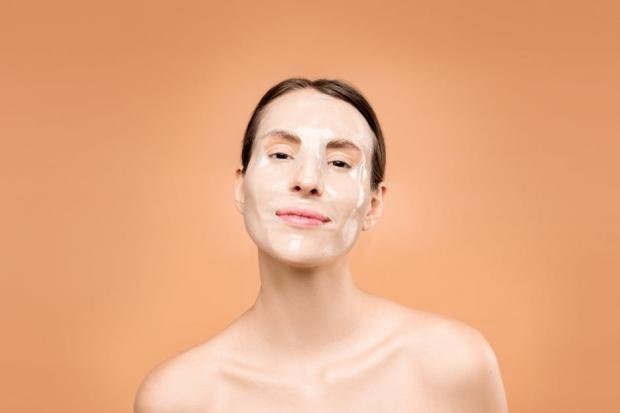
Beyond the Mask: Incorporating Honey into Your Daily Cleansing and Moisturizing
Masks are cool, yes, but honey’s true magic shines when you make it part of your everyday routine. Use raw honey as a gentle cleanser—it lifts makeup and grime without stripping your skin’s natural oils. Just massage a dollop onto damp skin for a minute or two, then rinse with warm water. The result? Clean, balanced skin that doesn’t squeak or feel tight.
Feeling extra thirsty? Try “slugging” with honey: after your moisturizer, apply a thin layer of honey as a breathable seal to lock in moisture overnight. This is gold during winter when dry air tries to steal your skin’s hydration. Plus, honey-based oils and balms work wonders on lips and cuticles, squashing dryness and cracking like a charm.
“Skincare is not just about the products you use, but how you use them throughout the day.”
With honey in tow, your skin’s texture and glow can go from meh to marvelous—one gentle cleanse and moisturize at a time.
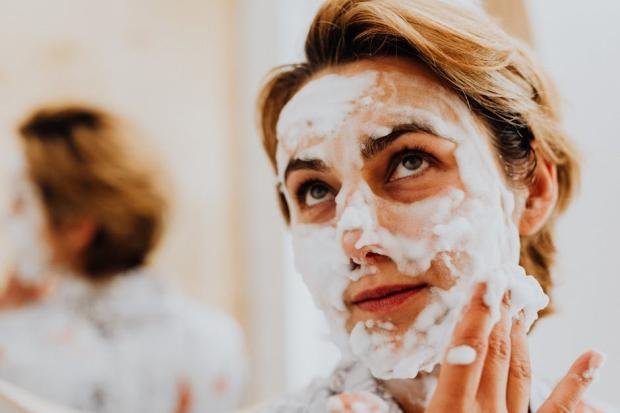
Honey for Problem Skin: Targeted Solutions for Acne, Eczema, and Rosacea
Troublesome skin? Honey’s got your back. Thanks to its natural antibacterial powers, it fights acne-causing bacteria and calms inflammation without drying or irritating your face. Unlike harsh spot treatments that make your skin peel and flake, honey nurtures and heals redness and swelling.
For eczema sufferers, honey can be a genuine game-changer. Eczema flares mean itching and cracked skin, but honey restores that all-important barrier, quieting itch and soothing irritation naturally. Rosacea? Yep, honey helps reduce redness and sensitivity, making it a nice gentler alternative to more aggressive treatments.
“Nature often provides the most gentle remedies for the skin's most sensitive conditions.”
That said, always patch test first. And if you’re on prescription treatments, chat with your dermatologist before adding honey to the mix. Honey’s gradual magic works best when you stick with it, giving your skin time to rebuild and shine.
The Anti-Aging Powerhouse: How Honey Fights Wrinkles and Fine Lines
Honey’s antioxidant squad fights off free radicals—the culprits behind premature skin aging (think wrinkles and sagging). As they hello UV rays and pollution daily, those free radicals break down collagen and elastin, which keep your skin firm and bouncy. Honey swoops in and neutralizes these troublemakers.
It doesn’t stop there. Some studies suggest honey stimulates collagen production, helping your skin replenish the very building blocks it needs to stay smooth and elastic. So, instead of covering wrinkles like a ninja, honey encourages your skin to stand tall and strong before lines set in.
“True anti-aging is not just about covering up wrinkles, but about nourishing the skin to prevent them from forming in the first place.”
People who use honey regularly often report softer, smoother skin with a radiant glow. Science backs it up: enhanced hydration and reduced fine lines make honey a subtle but powerful anti-aging buddy.
Timing is Everything: When to Use Honey for Maximum Results
If honey is your skincare BFF, timing your treatments can make a big difference. A honey mask before bedtime lets the golden goodness soak in during your skin’s overnight repair cycles—hello, plump and glowing skin by morning.
Adjust for seasons, too. Heavy honey masks are winter magic, forming a moisture barrier against chilly air. In summer, lighter honey-based cleansers and toners keep skin hydrated without feeling cakey or greasy. Avoid daytime exfoliation with honey—it can feel a bit sticky and might attract dust or dirt.
“Listen to your skin and adjust your honey routine to match its needs throughout the year.”
Aim for a couple of honey treatments a week, at minimum. Steady, gentle love is what helps your skin shine the brightest.
Safety First: Allergies, Sensitivity, and Who Should Avoid Honey Topically
Honey’s generally safe, but if you’re allergic to bee products or pollen, steer clear. Always patch test by applying a tiny bit behind your ear or inside your wrist and wait a day to make sure your skin is on board.
“When in doubt, patch test. Your skin deserves the safest possible treatment.”
If you have very sensitive skin, open wounds, or serious conditions, check with your dermatologist before diving into honey treatments. While honey is antibacterial, it’s not a superhero for every skin scenario—especially severe ones that need medical care.
Sustainability and Ethics: Choosing Honey That Supports Bee Health
Your glow is sweeter when it’s guilt-free. Bees play a huge role in keeping ecosystems humming, but habitat loss, pesticides, and climate change are putting them in trouble. By picking ethically sourced honey, you’re helping protect the buzzing heroes behind that golden goodness.
Look for Bee Friendly or Organic labels—they tell you the bees were treated right. Also, favor brands that brag about transparency and sustainable practices. Diverse flower sources are better for bees than single-crop offerings because variety keeps hives healthier and happier.
Your skin thanks you—and so do the bees.
Common Myths Debunked: Separating Fact from Fiction About Honey Skincare
Let’s clear the air—honey won’t clog your pores. It’s actually non-comedogenic and fights acne-causing bacteria. And no, honey can’t replace sunscreen. It does offer some protection, but you still need a good SPF to ward off the sun.
“Myths can cloud our judgment, but facts about honey are clear and compelling.”
Darker honey can pack more antioxidants, but lighter varieties can still do wonders too. Color mostly depends on what flowers bees visited, not potency. Focus on quality and rawness, not shade.
Building Your Long-Term Glow: A Holistic Approach to Honey Skincare
Good skin isn’t a solo act—it’s a whole-body affair. Drinking honey-infused water or tea boosts your antioxidant defenses from the inside. Pair that with a nutrient-rich diet and lifestyle habits like sleep, stress management, and exercise, and your skin will return the favor by glowing like crazy.
“True glow comes from within, and honey helps to bring that inner light to the surface.”
Honey plays beautifully with a healthy lifestyle, but no miracle product stands alone. Consistency and care are what make luminous skin stick around.
Conclusion: Start Your Journey to Honey-Glow Today
Honey has stood the test of time for a reason. From battling acne to soothing sensitive skin and tackling wrinkles gently but effectively, this natural wonder works with your skin, never against it. So why not invite a little honey into your cleanser, your moisturizer, or your next DIY mask?
Try just one honey treatment this week. See how your skin feels afterward; you might wonder where honey has been all your life. And if you take the plunge, drop your stories below—we’d love to hear how your skin blossoms with this golden gift from the bees.
Let your skin soak up the sweet magic and reveal the radiant, glowing you that’s always been there.