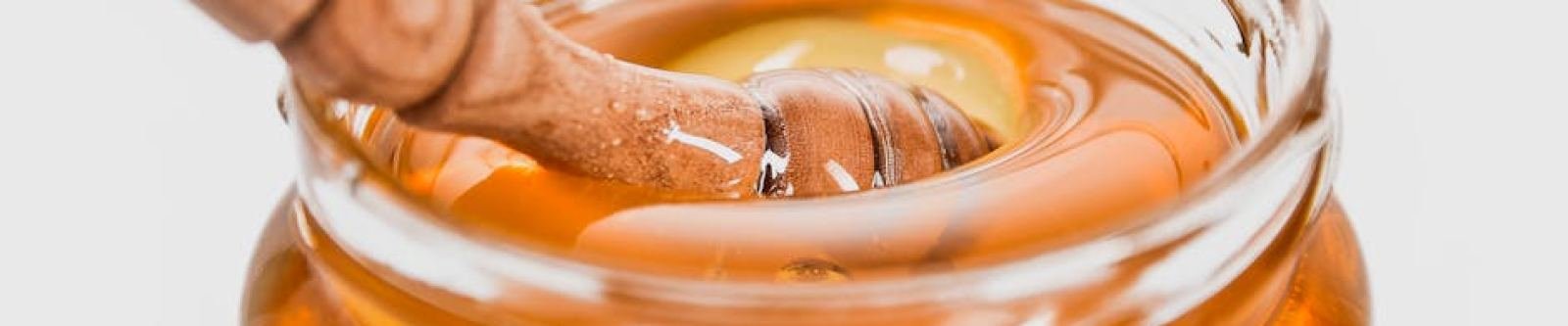
Have you ever popped open a jar of your favorite honey, only to find it looking like it’s gone through some mysterious winter freeze—solid, cloudy, and full of white or cream-colored crystals? That surprise in your pantry can throw you off. You might even wonder: “Is this honey spoiled?” It’s a common pantry puzzle. Crystallized honey often feels like it’s turned its back on you, especially if you didn’t expect it. Should you toss it? Heat it until it bubbles? Or has it finally soured into vinegar?
Spoiler alert: none of that is true. Crystallization doesn’t mean your honey has lost its charm—in fact, it’s kind of a badge of honor. It tells you your honey is real, raw, and unfiltered—essentially untouched by the industrial magic that keeps supermarket honey shiny and liquid but often at the expense of flavor and nutrients. We’ll unpack the science of why honey crystals form, bust some myths, and show why these sugar sparkles are more like nature’s signature than a warning sign. Whether you’re a honey fanatic or just curious about what’s hiding in your pantry, your perspective on your jar of gold is about to get a lot sweeter.
The Golden Truth: What Makes Honey Crystallize?
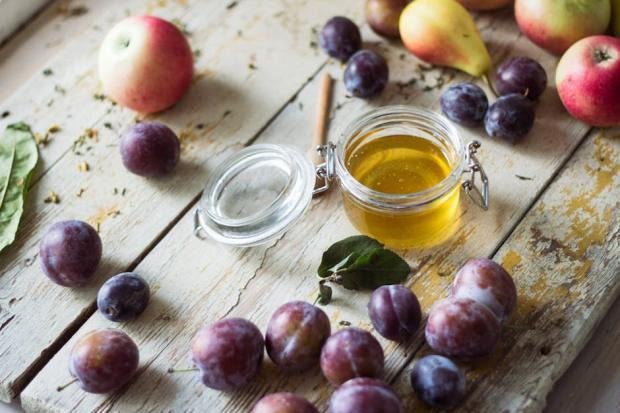
Here’s the skinny: honey is basically a supersaturated sugar soup with two main players—fructose and glucose. Fructose is the sweeter, more mischievous one that keeps things nice and liquid, while glucose is the less soluble brother who’s itching to clump together and crystallize. When honey first shows up from the hive, it’s perfectly pourable, but over time those glucose molecules start lining up neatly like bees building honeycomb, forming tiny crystals that give your honey that cloudy, creamy look.
How fast this happens depends mainly on the flowers the bees buzzed around. Some honeys—think tupelo, chestnut, or certain clovers—pack more glucose and crystallize in a matter of weeks. Others, like acacia or eucalyptus honey, loaded with fructose, can stay gloriously liquid for years.
Temperature is a sneaky factor, too. Fluctuations in warmth speed up the process usually by creating bigger, coarser crystals. A stable, cool spot in your kitchen will encourage fine, uniform crystals that practically melt against your tongue.
And here’s the kicker—this shift isn’t a chemical change. Your honey’s chemistry stays the same; it's just the physical structure playing tricks on your eyes and taste buds.
Not only is crystallization natural, it’s basically proof that your honey hasn’t been heated to death or filtered so finely that all the good stuff has vanished. Grab that grainy jar proudly—you're holding liquid gold in one of its most authentic forms.
Busting Myths About Crystallized Honey
Let’s tackle some of the scary rumors first. One of the biggest? That the crystals mean bacteria or fermentation has moved in. Nope. Honey is one of nature’s longest-lasting foods thanks to low moisture and high acidity—granted, a place where most microbes just don’t want to hang out. The only time you get actual spoilage is when moisture sneaks into the jar, letting yeast ferment the sugars. When that happens, your honey won’t just crystalize—it’ll give off a boozy or vinegary stench and might even fizz with bubbles. If your jar smells like a craft brewery, best to ditch it.
Another worry is that those sugar crystals are unsafe or toxic. That’s like being suspicious of sugar cubes! They’re just solidified glucose, the very same sugar your body knows how to handle with ease. There’s zero harm in eating crystallized honey—texture aside, it’s the same honey you love.
Then there’s the common misconception that crystallized honey is “lower quality.” Actually, raw honey is more likely to crystallize because it’s packed with natural pollen, wax bits, and enzymes that act like seeds for crystal formation. Commercial honey keeps things liquid by pasteurizing and ultrafiltering out those particles—think of it like sterilizing honey until your taste buds are bored and nutritional value stripped. So when you cozy up to a crystallized jar, you’re tasting honey in its truest form, complete with all the natural glory.
How to Tell if Your Honey Is Crystallized – Or Spoiled
Okay, so you’ve got a jar full of crystals. Is it safe? Here’s how to tell the winners from the losers.
-
Smell: Real, raw honey smells sweet and floral, a little like the garden your local bees were buzzing through. If it hits you with harsh notes like alcohol, vinegar, or sour yeast, hit the recycle bin.
-
Taste: Crystallized honey should still taste sweet, sporting whatever floral notes it carried as liquid honey. Sour, bitter, or alcoholic tastes mean fermentation has crashed the party.
-
Texture: Crystals can range from creamy and spreadable (like fancy butter) to crunchy and grainy. Both are normal! But if you see layers—say, clear liquid on top and dark, fuzzy mold or clumps below—that’s a no-go.
-
Bubbles: Some tiny trapping bubbles are fine, but active bubbles rising and popping mean yeast is busy fermenting. Bye-bye, honey.
| Feature | Crystallized Honey (Good) | Spoiled Honey (Bad) |
|---|---|---|
| Smell | Mild, sweet, floral | Strong smell of alcohol, vinegar, yeast |
| Taste | Sweet, floral notes intact | Sour, bitter, alcoholic |
| Texture | Uniform crystals (fine or coarse) | Moldy, separated layers |
| Color | Close to original | Darkened or murky |
| Surface | No active bubbling | Bubbles rising and popping |
If your honey passes these tests, congrats—no need to panic. Gently warming a crystallized jar can get it flowing again if you want, but if you enjoy it spreadable, you’re golden.
How to Store Honey to Keep It Happy (and Slow Crystallization)
You might’ve heard the fridge is your honey’s best friend—but not so fast. While cold temps certainly slow down bacteria, they actually speed up the crystallization process, making big, coarse crystals that aren’t very fun to deal with.
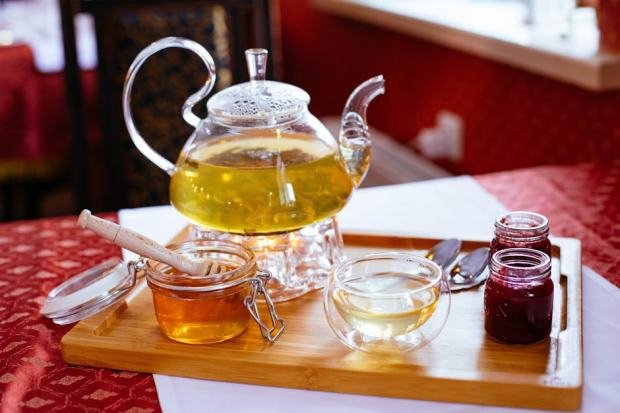
The sweet spot for honey storage is a cool, dry place—around 65°F to 75°F (18°C to 24°C). Think pantry, cupboard, or a cozy corner away from sunlight and heat. Keep it sealed tight—moisture is the enemy here. Humidity sneaking into your jar can lead to fermentation, which, as we said, spells disaster.
Oh, and glass jars win hands down over plastic containers. Glass is inert, won’t leach chemicals, and forms a tight seal that helps your honey stay put—not to mention it looks way nicer.
Avoid storing honey near your stove or dishwasher, where heat and steam throw a party and wreck the honey’s vibe.
How to Rescue Crystallized Honey Without Killing Its Goodness
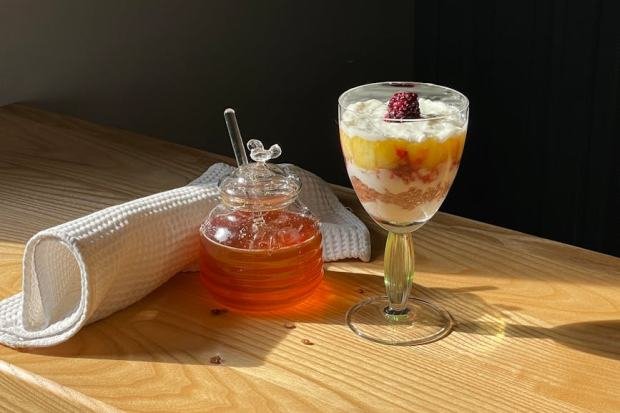
If you want your honey back in liquid form, patience is the key. Don’t slam the microwave button or hunt for the hottest water in the house—they risk scorching your honey and zapping all those lovely enzymes and antioxidants.
The best way? A warm water bath. Fill a pot with water at around 110°F to 120°F (43°C to 49°C), and nestle the sealed jar in about halfway. Let it sit for 20–30 minutes, gently swirling (with a wooden or silicone spoon) to help those stubborn crystals dissolve evenly. Once it flows nicely, take it out and let it cool.
Microwave fans, if you insist, go very gently: 15- to 30-second bursts with stirring in between—but beware of overheating. When honey turns bitter or smells burnt, it’s toast, and so is your jar.
Avoid vigorous stirring or whisking, too; you don’t want to invite air bubbles which can mess with the texture and invite contaminants. For a bigger batch, a double boiler is your friend—hands off direct heat, please!
Slow and steady wins the honey race.

Does Crystallization Change How Honey Tastes or Feels?
It does more than just change texture—it tweaks the whole tasting experience. Fine crystals turn honey into a silky, spreadable delight—think velvet butter you want on everything from toast to cheese. Coarser crystals bring a pleasant crunch, like edible sweet sea salt, adding texture that lets floral flavors slowly release as you chew.
Sweetness-wise, crystallized honey tends to taste a tad less sugary since the glucose crystals don’t dissolve immediately, letting the complex notes of nectar shine. Color-wise, expect it to lighten or become opaque. Orange blossom honey, for instance, can go creamy white, while darker honeys like chestnut may deepen. All totally normal, and just proof your honey’s running its natural course.
Does Crystallization Steal Honey’s Health Punch?
Rest easy. The good stuff—the enzymes, antioxidants, antibacterial powers—are still packed inside. Crystallization is a physical shuffle, not a chemical breakdown. Raw honey, which crystallizes easily, often has more pollen and enzymes than those ultra-filtered supermarket buys.
Heating honey past 140°F (60°C) can damage beneficial compounds, so natural crystallization is proof you got a less processed, more nutritious product. The only trade-off? You might need to warm it up for cooking or tea.
Cooking with Crystallized Honey: A Sweet Sidekick in the Kitchen
Crystallized honey is a little kitchen ninja. Spread it on bread, dollop it over cheese, or swirl it into oatmeal for texture and flavor that liquid honey can’t touch. Baking? No worries—pop the crystallized stuff straight in; it melts during cooking and melds into the recipe beautifully. Just keep an eye on baking times—you might need a slight tweak to avoid over-browning.
For sauces or glazes, especially savory ones, bring crystallized honey back to liquid gently before mixing so your texture stays silky smooth. Avoid boiling—nothing ruins a sauce like burnt honey bitterness.
Think of crystallized honey like a culinary chameleon: crunchy or smooth, cold or melted—it adapts to your every whim.
Why Crystallized Honey Might Actually Be a Steal for Your Wallet
Believe it or not, crystallized honey can be easier on your pocket. Because it resists fermentation and spoilage better, producers don’t need to burn energy pasteurizing or refrigerating it. That cuts costs, and you often see raw, crystallized honey priced more reasonable than its ultra-filtered liquid cousins.
Supporting crystallized honey also aligns with greener values—less processing means less energy wasted and fewer chemicals introduced. Local beekeepers selling natural honey tend to use eco-friendly methods, so your purchase backs sustainability, bees, and community.
As more people appreciate its quality, crystallized honey’s popularity is rising. So, not only are you getting a better product, but you’re helping push the honey world toward more honest, sustainable practices.
Cultural Sweet Spots: Honeys Known for Crystallizing
Did you know some honeys are practically famous for crystallizing? Creamed honey, for instance, is a beloved American tradition—a deliberately crystallized treat with a smooth, buttery texture perfect for spreading. It all started with beekeepers who learned to gently guide the crystallization, turning honey into silky goodness.
Honeys like tupelo, lavender, and orange blossom are known to crystallize naturally, each bringing a unique color and flavor. Different cultures have embraced crystallization as a sign of purity and quality. Some indigenous beekeepers harvest honey after it crystallizes right in the comb—no fuss, no filters—just nature doing its thing.
Understanding these traditions helps us see crystallized honey not as a flaw, but as part of a rich, delicious heritage.
When to Send Honey Packing: Real Signs of Spoilage
Crystallization is fine and dandy, but sometimes honey takes a wrong turn. Here’s when to cut your losses:
-
Dark brown, murky honey paired with a strong alcoholic or vinegary smell? That’s fermentation—time to toss.
-
Mold spots, whether green, black, or white fuzz? Don’t scrape and save—mold threads go deeper than you see. Discard the whole jar.
-
Active bubbles rising and popping on the surface? Definitely fermentation in action. Say goodbye.
Bought bad honey by mistake? Return it or call your beekeeper. Don’t try reviving spoiled honey with heat or preservatives—once fermented, it’s beyond repair.
Try This at Home: Making Your Own Creamed Honey
If you love playing chef, creamed honey is a fun project that lets you control how spreadable and smooth your honey gets.
Start by gently warming liquid honey until smooth. Pour it into a clean jar, whisk vigorously to kick off uniform crystal formation, then put it in a cool spot—ideally between 40°F and 50°F (4°C to 10°C). Stir it every few days for a couple of weeks to keep crystals fine and even. After 4–6 weeks, you’ll have that perfect creamy texture.
Keep your homemade treasure away from sunlight and avoid the fridge once set to preserve that velvety feel. If it gets hard, a warm water bath will soften it right up.
It’s a sweet, hands-on way to appreciate honey’s natural magic.
Sustainability Spotlight: Why Crystals Are the Eco-Friendly Choice
Industrially filtered liquid honey isn’t just a flavor compromise—it costs the planet. High-heat pasteurization and filtration chew up energy and trash the honey’s nutrient profile. Choosing crystallized honey means stepping off that energy treadmill.
Supporting local beekeepers selling raw, unfiltered honey nurtures sustainable practices that honor bees and environment alike. It builds a connection between nature, producer, and you, the consumer.
By welcoming those sugar crystals, you’re voting for less processing, a smaller carbon footprint, and a healthier planet. It might just be the sweetest choice you make.
Embrace the Crystals and Sweeten Your Life
So, next time your honey jar looks less like liquid gold and more like creamy treasure, smile. Those crystals aren’t a sign of failure—they’re nature’s signature on a product as pure as it gets.
Crystallized honey still packs all its natural goodness, flair, and sweetness—whether you spoon it straight, melt it gently, or spread it lavishly. By accepting those sugar sparkles, you’re choosing authenticity, sustainability, and flavor that’s well worth the wait.
Grab that jar, give it a gentle warm-up if you want, and savor the sweetest surprise in your pantry.
Go ahead—check your shelves, melt that old honey with care, and enjoy the rich, natural magic of real honey today. Don’t let half-truths cloud your love for one of nature’s finest gifts. Embrace the crystals, trust the process, and let honey brighten your days.