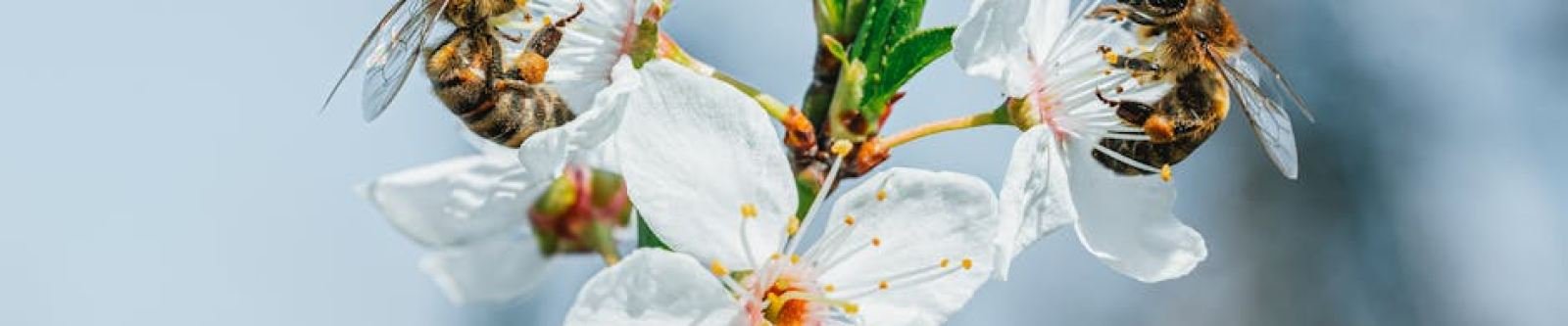
Imagine wandering through a typical North Texas neighborhood in late spring. You spot tidy lawns, rows of hydrangeas all lining up like clockwork, and maybe a few sad, sun-scorched ones too. Looks neat, right? But something’s missing—the buzz of bees, the wild mess of pollination in action. Too often, our suburbs end up feeling like green deserts, missing the vibrant life that keeps our ecosystems ticking. Honeybees struggle here, wrestling with chemical sprays, baking heat, and a severe shortage of diverse flowers to feast on. But guess what? Your backyard could be their rescue zone. You can turn your patch of grass into a buzzing oasis that makes a real difference.
Creating this bee-friendly garden starts with a little local know-how. North Texas isn’t your average gardening spot—it throws swings of blazing heat, cold snaps, and unpredictable weather that many plants just can’t handle. Picking the right plants here isn’t just about looks; it’s about survival. The right choices mean your garden can weather the extremes and become a lifeline for honeybees. This guide’s here to help you transform your space from ordinary to buzzing-at-all-hours, season after season.
Understanding the North Texas Bee Season: Timing is Everything
Think of the honeybee lifecycle around here as a choreographed dance, timed perfectly with when the flowers bloom. Unlike gentler climates like the Pacific Northwest—where blossoms keep popping up for months on end—North Texas plays hardball, handing out a very particular schedule. Early spring bursts awake, then the relentless summer heat steps in, and finally fall cools things down. If your garden only blooms in May, the bees are left empty-handed by June when the heat and drought kick in. That’s where succession planting comes in—more than just a gardening buzzword, it’s essential for bee survival.
Succession planting means swapping flowers like dance partners: as one fades, the next takes the stage, keeping the nectar and pollen flowing non-stop. One type of flower, no matter how charming, can’t fuel a whole colony year-round. Bees need a buffet of options—different nectars in the morning, varied pollen for their larvae throughout the season. Without this variety? Bee colonies weaken, get sick, or fail to stock up enough honey to make it through winter.
Picture this: early spring, maybe still flirting with frost, when everything looks bare. Bees wake up groggy and hungry, desperate for any nectar to get their work started. Mid-summer’s heat feels like a wall, drying up many flowers and shrinking their water supply. Late summer is crunch time — bees bulk up for swarming and winter prep. Then fall drops the last chance for a nectar boost before they hunker down.
A garden that blooms continuously, like a relay race passing the baton, keeps the bees fueled all year long.
Now, here’s the tough part: July and August can make many plants go dormant—nature’s way of saying "save your energy." But bees don’t get to nap. So you need plants that actually thrive during the heat, not just before or after. It’s a bit like throwing a pool party in a desert—you’ve got to pick the right guests (plants) who can handle the sun. The ultimate goal? A garden that changes in color and texture with the seasons, always offering something for hungry bees.
The Golden Rule: Native Plants Over Non-Natives
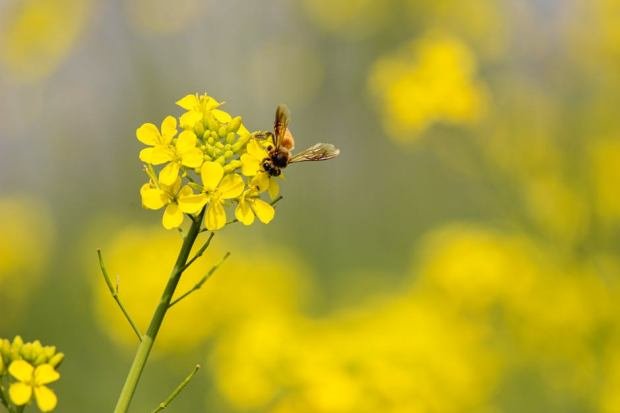
If you take away one thing from this guide, let it be this: native plants are your garden’s MVPs for bee survival. It’s not just a nice idea—it’s biology in action. Plants native to regions like the Edwards Plateau or Blackland Prairie evolved alongside our local bees for thousands of years. They’ve cooked up just the right nectar and pollen recipes that match the bees’ digestive systems and nutritional needs. Meanwhile, non-native plants—though often eye-catching—usually fall short nutritionally, offering a pretty snack without the vitamins and minerals bees really need.
Worse yet, some imported plants go rogue. English Ivy and certain Privet shrubs can quickly turn your garden into a bee desert by outcompeting those valuable native wildflowers. These invaders create monocultures—landscapes that look lush but leave bees hungry and vulnerable to diseases. Going native isn’t just planting—it’s handing your bees a trusted menu, a home-cooked meal they recognize.
A tip: steer clear of the big-box garden centers that ship plants from who-knows-where. Local native nurseries and heirloom seeds tuned to our soil and climate are your best bet. Also, watch out for hybrids that might look native but have lost important traits; take a close look at leaf shapes and flower structures to spot the real deal.
Think of native plants as the original residents of your garden neighborhood—they’ve been thriving here long before you moved in and know exactly what the bees like.
Just because a plant is labeled “bee-friendly” doesn’t mean it’s a match for North Texas bees. Some supposedly pollinator magnets either don’t provide much nectar, or they guzzle water your garden can’t spare. Checking in with local native plant societies or extension offices can save you from planting duds. When you stick to natives, you’re backing a resilient, low-maintenance garden that genuinely fuels your buzzing visitors.
Spring Starters: The Critical First Bloom
Spring in North Texas bursts onto the scene like a cannon, snapping plants awake after their winter snooze. For honeybees, this is make-or-break time. After months clustered tight in their hives, they’re weak and starving. Early bloomers aren’t just pretty—they’re lifesavers. Without nectar right off the bat, the colony could crash before summer even arrives. Enter Texas Bluebonnets, more than the state flower and a real bee superstar.
Texas Bluebonnets (Lupinus texensis) don their gorgeous blue coats, signaling a rich nectar feast. Alongside them, Indian Blanket (Gaillardia aristata) brings bold reds and yellows to the party, tempting tired bees awake. You might see these champions popping up in fields or sidewalk cracks, but pulling them into your garden guarantees your bees a reliable early buffet.
Ground covers like Purple Coneflower (Echinacea purpurea) and Black-Eyed Susans (Rudbeckia hirta) play a quiet but vital role too. Closer to the earth and easy to access, they make nectar hunting less of a workout for foraging bees—especially with unpredictable spring frosts lingering. Together, these plants paint a welcoming patch that says, “Breakfast is served.”
The first blooms of spring do so much more than pretty up your yard—they decide who’ll live and who’ll starve come winter.
Heads up: early spring also invites the temptation of pesticides, which can be brutal for the tiny, vulnerable bees just starting out. Think twice before reaching for chemical sprays. Opt instead for organic or mechanical controls to keep pests at bay without risking your pollinator friends.
Summer Sustenance: Heat-Tolerant Powerhouses
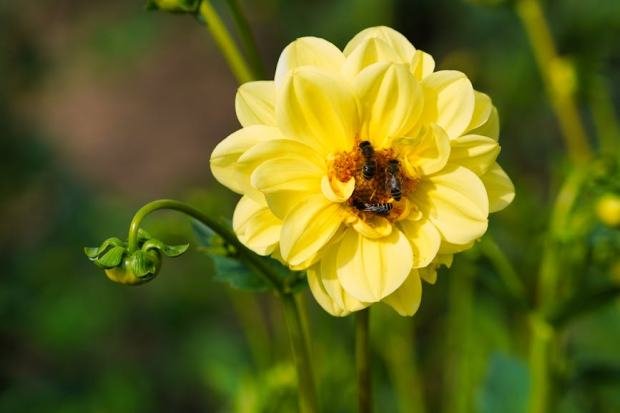
When summer rolls in, North Texas doesn’t mess around. Temperatures spike, the sun beats down unforgivingly, and many plants throw in the towel—wilting under the heat and dry air. That’s why your garden needs a roster of summer warriors: plants tough enough to hold their blooms when the going gets hot.
Texas Lantana (Lantana urticoides), a drought-loving champion, is a shining example. It laughs off blazing sun and parched soil to deliver nectar nonstop through summer. Its bright, punchy colors make it easy for bees to locate in the browning landscape.
Don’t overlook the Turk’s Cap Lily (Lilium philadelphicum), either. This striking flower is heat-proof and hail-friendly, standing tall to offer rich nectar that big bees and bumblebees can’t resist. Plant it, and you’re officially on the bees' VIP list.
Come late summer, plants like Goldenrod (Solidago species) and Asters (Symphyotrichum species) kick into high gear. These bloom in big, dense clusters—a kind of nectar buffet that fuels the bees as they power up to swarm and prep for winter. Myth busted: bees don’t vanish in the heat; they cleverly forage during cooler mornings and evenings. Late bloomers that flower in those windows are small but mighty survival tools.
Summer isn’t the garden’s downtime. It’s the endurance race, and only the toughest plants cross the finish line with buzzing bees in tow.
To keep your garden thriving through the summer furnace, pick drought-tolerant plants with deep roots that reach down for water the surface can’t provide. Cutting back on thirsty plants means less watering for you and more sustainability overall.
Fall Filler: Preparing for the Long Winter
When autumn arrives, the garden shifts gears. Cooler air and changing leaves signal it’s time for a last push before winter’s rest. Fall bloomer choices like Texas Sage (Salvia texana) and select Butterfly Bushes (Buddleia species) hand the bees their final treats, helping them bulk up and boost immunity against seasonal viruses.
Fall isn’t just honeybees’ domain. Solitary bees—like mason and leafcutter types that nest underground—also lean heavily on these late-season flowers to build fat reserves. Miss them, and you risk losing whole pollinator populations next spring. Helpful hint: stay clear of invasive Butterfly Bush varieties and opt for native or non-invasive options to keep the balance sweet.
Texas Sage is a tough cookie, standing up to freezing temps while offering quick, accessible nectar with its small tubular flowers. These late blooms bloom like clockwork, even when the rest of the garden’s winding down.
Fall might look quiet, but it’s the job interview that decides which bee colonies make it through winter.
Fall flowers often bloom in clusters, letting bees maximize their last foraging marathons before daylight shrinks. This early-bird strategy is bee smart, making each trip count as the season winds down.
The Unsung Heroes: Shrubs and Small Trees
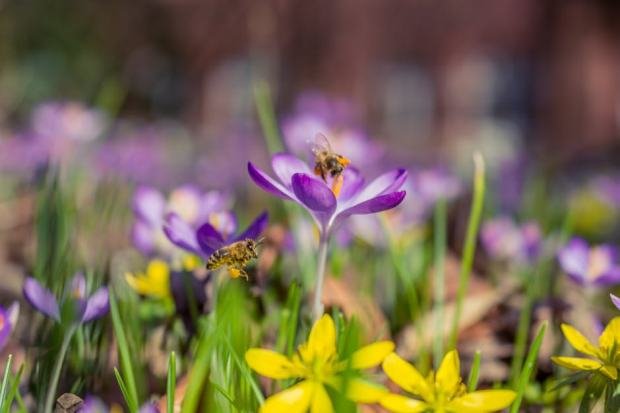
Let’s not forget the garden giants: shrubs and small trees. These steady providers offer sugary treats and pollen all season long while doubling as windbreaks and shady retreats for bees trying to stay cool or hide from predators.
Texas Persimmon (Diospyros texana) is one such hero—its flowers attract all kinds of pollinators, plus it helps keep soil firm during dry spells. Eastern Redbud (Cercis canadensis) shows off gorgeous blossoms early in the year that pack a powerful nectar punch. Together, shrubs and small trees form the welcoming neighborhoods bees need for food and shelter.
Prune these woody friends wisely. Late winter or early spring is best—pruning during bloom can snatch away bee snacks before they even happen. Unlike annuals, trees store energy over years, so too much hacking can upset their flower-making mojo.
These woodsy champions are the garden’s pillars—quietly supporting life, one bloom at a time.
Add shrubs and trees to your planting plan and you create layers—that vertical spread that’s as good for pollinators as it is eye candy for us. They invite not just bees but birds and beneficial insects too, weaving together a thriving local ecosystem.
Beyond Nectar: The Importance of Pollen and Protein
Nectar gets all the glory—but pollen’s the real powerhouse, a protein-packed feast that feeds baby bees. You can’t run a hive on sugar alone; those larvae need serious nutrition to grow strong, healthy workers. A nectar-only garden is like serving french fries with no protein—it’ll fill a belly, but not for long.
Some local plants hustle as dual providers of nectar and pollen, like Texas Bluebonnets and Purple Coneflowers (Echinacea purpurea). Others specialize—Texas Lantana, for example, dumps lots of nectar but not as much pollen. Having a mix ensures that bees get the full menu, keeping colonies robust and disease-resistant.
Think of nectar as fuel and pollen as baby food—both are crucial for the hive to thrive.
Here are a few protein-rich local stars to consider:
- Partridge Pea (Chamaecrista fasciculata): A drought-hardy legume that showers pollen and keeps bees fed through dry spells.
- Texas Tickseed (Coreopsis tinctoria): Bright yellow blooms packed with pollen goodness.
- Black-Eyed Susan (Rudbeckia hirta): Offers a double whammy of nectar and pollen that kicks in early and lasts.
- Purple Coneflower (Echinacea purpurea): A reliable, long bloomer constantly serving up the good stuff.
A diverse diet makes bees tough as nails, boosting their defenses against pests like Varroa mites and common illnesses. By feeding them both nectar and pollen, you’re building a wellness plan bees can't refuse.
Designing a Bee-Friendly Landscape: Layout and Placement
How you arrange your garden can make or break it as bee heaven. Bees remember where the good stuff is. That’s why grouping plants in big clusters works better than spreading single flowers here and there. Think of it like an all-you-can-eat buffet—close together, so the bees don’t waste precious energy flying all over the place.
Water matters, too. Bees need to stay hydrated for everything from cooling the hive to making honey. But swimming pools and big ponds? Bee graveyards. Instead, create shallow dishes with pebbles or stones so bees have a safe landing and drinking spot. This simple fix can be a lifesaver during our thirsty summers.
Healthy soil and mulching also play their part. Chemicals in fertilizers can be sneaky bee killers. Focus on feeding your soil naturally, and mulch to lock in moisture. A moist, chemical-free soil base means happier plants and, you got it, happier bees.
What to Avoid: Pesticides and Toxic Plants
One of the easiest ways to help bees? Just say no to pesticides. Chemicals like neonicotinoids are tiny monsters for bees—they scramble their internal GPS and weaken their defenses. Even small amounts can deal deadly blows to whole colonies.
Beyond chemicals, some plants can be toxic too, either through their nectar or just generally poisons to pollinators. Before planting, do a quick double-check and avoid anything flagged as harmful, no matter how pretty it looks in the nursery.
The safest garden is one free from invisible poison traps, where bees can thrive without fear.
Instead of reaching for the spray bottle, try Integrated Pest Management (IPM). This means keeping an eye out for pests, handling problems with natural predators like ladybugs, or manual removal before thinking chemicals. This way, your garden stays healthy, and your buzzing guests stay safe.
Maintenance Tips: Keeping Your Garden Bee-Ready
Keeping a bee-friendly garden isn’t a one-and-done deal—it’s a little ongoing love. Deadheading spent blooms is a great place to start. Snip off those faded flowers to encourage new buds, keeping the nectar flowing longer and the garden looking sharp.
Pruning timing is just as crucial. Cut back woody plants in late winter or early spring, before flowers arrive, so you don’t accidentally remove the feast for your bees. And when it comes to weeds, not all villains are evil—dandelions and clover are actually secret heroes early in the year, offering nectar and pollen. But beware the invasive ones that steal space and resources.
By striking that balance, you build a garden humming with life and rich with food.
Your Garden, Their Future
Planting just a handful of the right North Texas natives can make a huge difference for bees. It’s not just about a prettier yard—it’s about creating a sanctuary for the tiny pollinators who keep our wild landscapes and crops alive. Every flower you choose is a step toward a healthier environment, every bee visitor a little victory.
You don’t need acres to start—maybe a balcony or a small yard. Start where you are. Share your favorite plants with neighbors. Join local native plant swaps or volunteer at community gardens. If enough of us pitch in, we’ll turn neighborhoods into buzzing, blooming networks that sustain bees for generations.
So... ready to turn your patch of earth into honeybee heaven? Let’s do this.