Blog
- Aug 08, 2025
- Pollination
The Importance Of Building a Pollinator-Friendly Garden
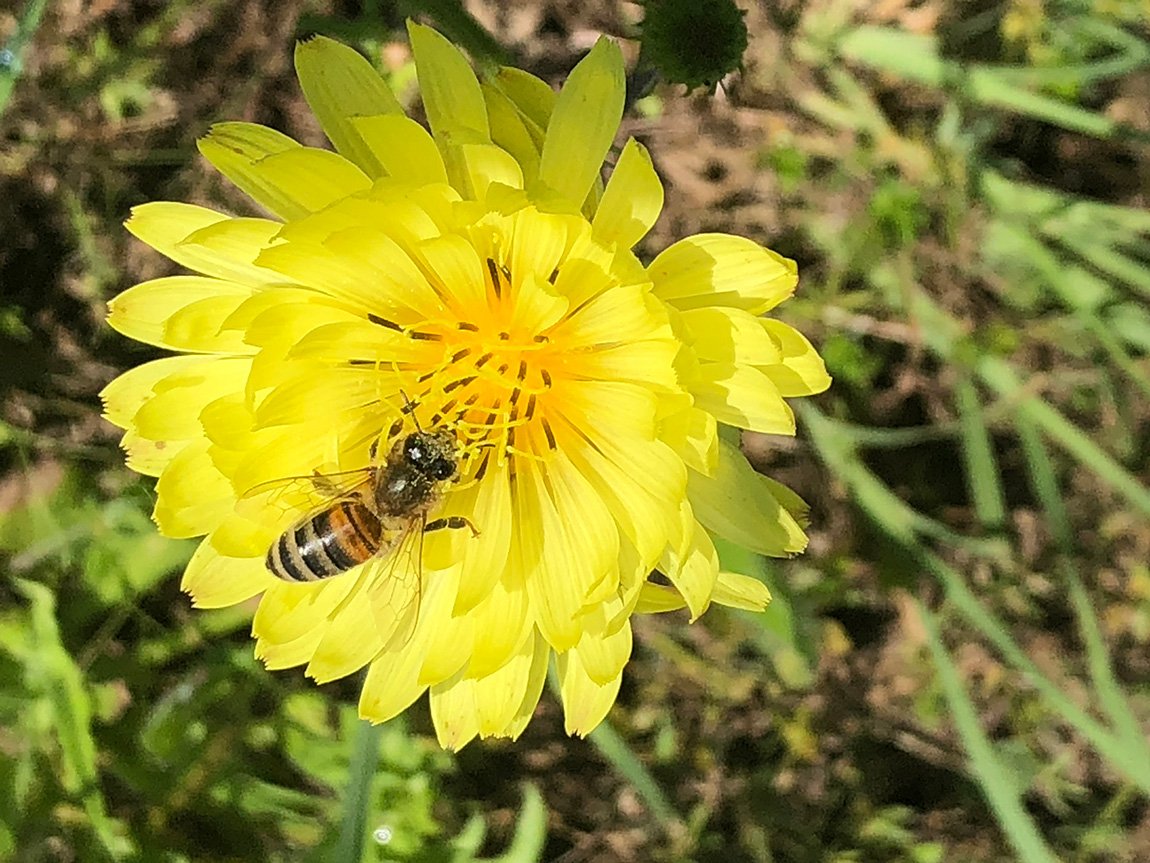
Building a pollinator-friendly garden isn’t just nice to have—it’s essential! By cultivating a space that attracts bees and butterflies, you’re boosting biodiversity, raising healthy plants, and supporting local wildlife. Plus, who doesn’t love the sight and sound of buzzing friends working hard? Native flowers offer the best food options, while sustainable practices keep your garden thriving. Want to know how to attract those pollinators and keep them happy? Keep going; there’s more to uncover!
Key Takeaways
– Building a pollinator-friendly garden boosts biodiversity and enhances the overall health of local ecosystems.
– It reduces reliance on harmful pesticides, promoting safer gardening practices.
– Native plants attract local pollinators and provide essential food sources throughout the seasons.
– Creating habitats with natural nesting sites supports pollinator reproduction and thriving populations.
– Engaging the community in pollinator education fosters awareness and appreciation for these vital creatures.
Understanding Pollinators and Their Role in Ecosystems
When you think about a garden buzzing with life, have you ever considered the tiny heroes that make it all possible? Pollinators, like bees and butterflies, play an essential role in maintaining ecosystem balance. Their pollinator behavior isn’t just charming; it’s critical for the growth of plants that feed wildlife and humans alike. Without these little champions flitting from flower to flower, many of your favorite fruits and veggies would vanish from your plate. Can you imagine a world without strawberries?
Benefits of a Pollinator-Friendly Garden
Creating a pollinator-friendly garden isn’t just about adding a splash of color; it’s a smart move for your entire ecosystem. By welcoming bees, butterflies, and other pollinators, you’re not just beautifying your space; you’re boosting biodiversity. Think about it: a vibrant garden leads to healthier plants and a more robust food supply for everyone. Plus, you can ditch those harmful pesticides and explore pesticide alternative that are safer for both your garden and the planet.
You’ll also find that fostering pollinator education can be a fun endeavor. Imagine sharing your newfound knowledge with friends, sparking conversations about the importance of protecting these essential creatures. Your garden can become a hub of learning and connection, inspiring others to join in the movement. So, why not take the plunge? Your garden, the local ecosystem, and future generations will thank you!
Essential Plants for Attracting Pollinators
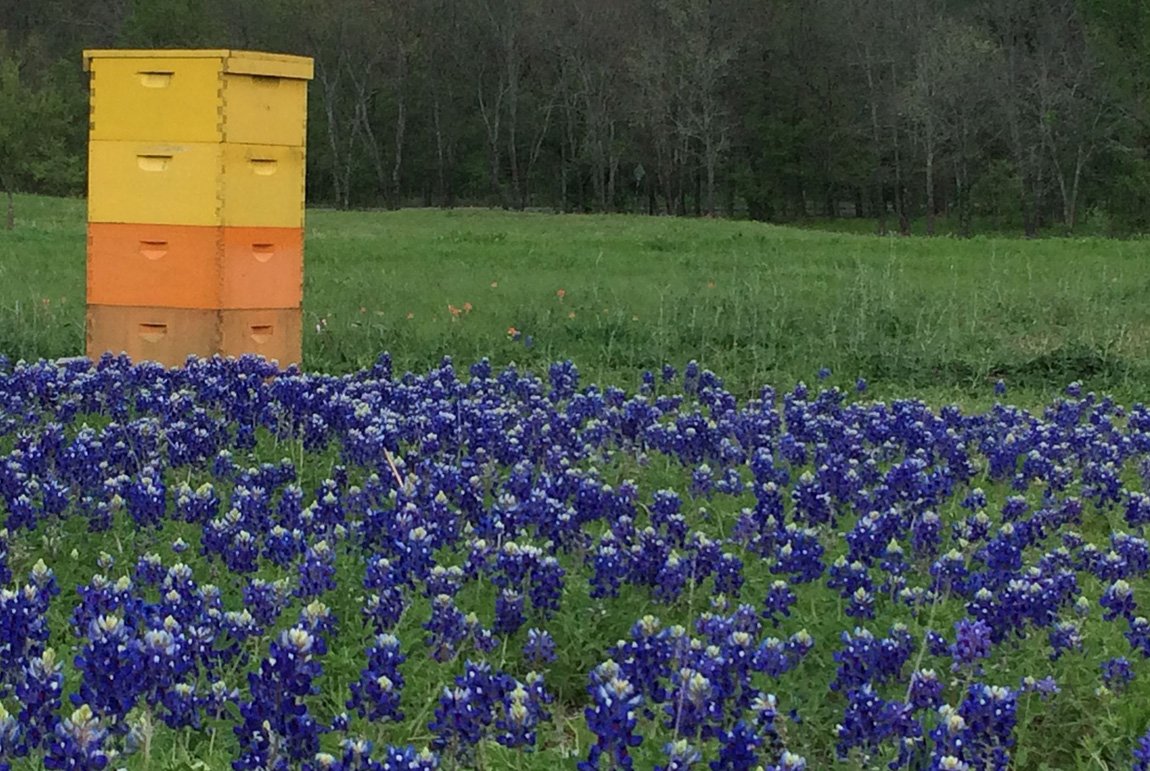
If you want to create a true haven for pollinators, you’ll need to take into account the right plants. Native flower species not only thrive in your area but also provide the best food sources for local bees and butterflies. Plus, by incorporating seasonal blooming patterns, you can guarantee your garden is buzzing with activity all year round—who wouldn’t want that?
Native Flower Species
You might not realize it, but native flower species play an essential role in attracting pollinators to your garden. These plants have co-evolved with local wildlife, offering the perfect nectar and pollen for bees, butterflies, and other pollinators. By choosing native flowers, you’re not just beautifying your space; you’re maximizing native flower benefits. You’ll enhance pollinator interactions, creating a vibrant ecosystem right outside your door. Think about it—who wouldn’t want to sip coffee while watching bees dance among colorful blooms? Plus, native species require less maintenance, making your gardening journey easier. So, why not embrace these local wonders? They don’t just enrich your garden; they support the bees that keep our world buzzing. Let’s get planting!
Seasonal Blooming Patterns
When you plan your garden with pollinators in mind, understanding seasonal blooming patterns can make all the difference in attracting these essential creatures. By selecting seasonal flowers that bloom at various times, you’re creating a buffet for bees, butterflies, and other pollinators throughout the year. Think about it: a garden that’s alive with color in spring, summer, and fall keeps these pollinators buzzing happily. Different plants have unique blooming cycles, so mix early bloomers like crocuses with summer favorites like echinacea and fall stars like asters. This way, you’ll offer a continuous source of nectar and pollen. Who wouldn’t want to enjoy a lively, colorful garden that also supports nature? Your efforts truly can help the pollinator population thrive!
Creating Habitats for Pollinators
Creating a welcoming habitat for pollinators starts with choosing the right native plants that provide food and shelter. Have you ever thought about where bees and butterflies go to raise their families? By incorporating natural nesting sites and cozy spots, you’ll not only support these essential creatures but also enhance the beauty of your garden.
Native Plant Selection
Selecting native plants for your garden isn’t just a great way to beautify your space; it also creates a welcoming habitat for our buzzing friends, the pollinators. By choosing native species, you’ll cater to pollinator preferences and enhance plant diversity. Native plants are adapted to your local environment, making them easier to maintain and more appealing to bees, butterflies, and other pollinators.
| Plant Type | Pollinator Attractiveness | Bloom Time |
| Coneflower | High | Summer |
| Milkweed | Very High | Late Spring |
| Black-eyed Susan | Moderate | Late Summer |

Shelter and Nesting Sites
While you might think of flowers as the main attraction for pollinators, providing shelter and nesting sites is just as crucial for their survival. Imagine your garden as a cozy neighborhood for bees, butterflies, and other pollinators. By incorporating protective structures like brush piles or hollow stems, you create a safe haven. Don’t forget to add nesting materials such as twigs, leaves, and even mud; these elements help pollinators build their homes. Have you ever thought about how much they appreciate a little privacy? A well-placed rock or clump of grass can offer just that. So, let’s transform your space into a welcoming retreat—freeing these significant creatures to thrive and do their amazing work!
Sustainable Gardening Practices
Sustainable gardening practices aren’t just a trend; they’re a way to nurture your garden while protecting the environment. You want your garden to thrive, right? Consider using organic fertilizers instead of synthetic ones. They enrich the soil naturally, promoting healthier plants and a vibrant ecosystem. Plus, your garden will be a haven for those essential pollinators we love.
Then there’s companion planting. It’s like having your plants’ backs! Certain plants grow better together, enhancing each other’s growth and keeping pests at bay. Think of it as your garden’s social network—everyone benefits!
How to Maintain a Pollinator Garden
Creating a pollinator garden isn’t just about planting a few flowers; it’s about keeping those buzzing friends happy and healthy all season long. To maintain your vibrant space, follow these simple steps:
1. Water Wisely: Regularly check moisture levels; a thirsty garden can’t attract pollinators.
2. Use Organic Fertilizers: Nourish your plants with organic options to keep them strong without harming your pollinator pals.
3. Pest Management: Monitor for pests and use natural remedies like neem oil instead of harsh chemicals. Your garden will thrive!
4. Deadhead Flowers: Trim spent blooms to encourage new growth and keep the garden looking fresh.
With a little effort, you’ll create a sanctuary for bees, butterflies, and other pollinators. Plus, who wouldn’t want to enjoy a lively garden filled with buzzing activity? So, roll up your sleeves and show your commitment to these important creatures!
Engaging the Community in Pollinator Conservation
Engaging your community in pollinator conservation can be a game-changer for local ecosystems. Imagine transforming your neighborhood into a vibrant space buzzing with life! You can kick things off by organizing community workshops that educate folks about the importance of pollinators. These gatherings can be fun and informative, sparking interest and planting seeds of change in everyone’s hearts.
Forming local partnerships is another fantastic way to amplify your efforts. Collaborate with schools, gardening clubs, and local businesses to create a united front for pollinator protection. Together, you can host events, share resources, and even build gardens that attract bees, butterflies, and other essential pollinators.
Frequently Asked Questions
How Do I Know if My Garden Is Pollinator-Friendly?
Can I Use Pesticides in a Pollinator Garden?
What Time of Year Should I Plant for Pollinators?
How Much Space Do I Need for a Pollinator Garden?
Are There Specific Pollinators for Different Regions?
Conclusion
So, you might think you don’t have space for a pollinator garden, but even a small balcony can make a difference! By planting just a few native flowers, you’re not only beautifying your space, but you’re also helping bees, butterflies, and other pollinators thrive. It’s a win-win, right? Plus, imagine the joy of seeing these vibrant creatures buzzing around your home. So, why not give it a shot? Your little garden could spark big change!
Natural raw honey offers surprising health benefits, from soothing sore throats to boosting immunity; discover how it can transform your well-being.